Epoxy Flooring For Industrial Use: Benefits And Practical Tips
Daniel McGonagle • October 31, 2025
Industrial environments demand flooring that can withstand constant movement, heavy machinery, and exposure to chemicals. Epoxy flooring delivers strength, safety, and reliability — ideal for factories, warehouses, and labs that need lasting performance.
Cambridge MA Epoxy Flooring specializes in durable
epoxy systems designed for the Greater Boston region’s diverse industries.
Our team understands the challenges of heavy use and helps businesses choose coatings that meet both safety and efficiency goals.
This article explores the key advantages of industrial epoxy flooring, from durability and chemical resistance to low maintenance and customization. You’ll also find expert guidance on installation, budgeting, and long-term care to help you make the right choice for your facility.
What Is Epoxy Flooring For Industrial Use?
Epoxy flooring for industrial spaces is a tough, protective coating designed to resist damage from heavy traffic, chemicals, and impacts. It turns ordinary concrete floors into strong, long-lasting surfaces that are easier to clean and maintain.
This type of flooring often combines durability with a smooth, attractive finish. Epoxy flooring is made from two main parts: a resin and a hardener.
When mixed, these components create a chemical reaction that forms a hard, plastic-like surface. This surface bonds tightly to your concrete floor, creating a seamless layer.
Additional materials can be added to customize the floor:
- Color pigments for design options
- Anti-slip additives for safety
- Decorative flakes or metallic finishes for style
These components work together to provide you with a floor that resists stains, chemicals, wear, and heavy loads often seen in warehouses and factories.
Types Of Epoxy Flooring Systems
There are several epoxy flooring systems to fit your industrial needs:
- Self-Leveling Epoxy: Creates a smooth, shiny surface that’s easy to clean. Ideal for warehouses and factory floors.
- Mortar Epoxy: Thicker and stronger, designed for heavy machinery areas. Can repair damaged floors too.
- Quartz-Filled Epoxy: Mixed with quartz sand for extra grip and slip resistance on busy floors.
- Anti-Static Epoxy: Controls static electricity in places like labs or electronics factories.
Choosing the right system depends on your specific floor use, traffic level, and safety needs.
How Epoxy Flooring Works
Epoxy flooring protects
your industrial floor by creating a strong bond with the concrete underneath. Once applied, it forms a seamless, continuous layer that prevents cracks, chips, and stains from spoiling your floor.
The chemical bond makes the floor very resistant to:
- Heavy foot and vehicle traffic
- Chemical spills and stains
- Abrasion and impacts
In busy locations like factories and warehouses around Cambridge and Greater Boston, epoxy keeps floors safer and cleaner. Our team installs these layers carefully to give your space long-lasting protection and easy maintenance.
Benefits Of Epoxy Flooring In Industrial Settings
Epoxy flooring offers many practical advantages that make it a top choice for industrial spaces. It provides strong protection against heavy use, resists chemicals and spills, improves safety by reducing slips, and is easy to clean and maintain.
Durability And Longevity
Epoxy flooring is built to handle heavy loads without cracking or wearing down. In busy industrial settings, your floor faces constant pressure from forklifts, machinery, and foot traffic.
Epoxy coats create a tough, seamless layer that can take this stress daily. This type of flooring helps extend the life of your concrete base by protecting it from damage like chipping or cracking.
A trusted expert installs floors designed to resist impacts and abrasion, saving you money on repairs and replacements over time.
Chemical Resistance Features
In industrial areas, spills of oil, grease, or harsh chemicals are common. Epoxy floors are designed to resist these substances, preventing stains and damage. This resistance means your floor stays clean and safe even after exposure to many industrial chemicals.
It also protects the underlying concrete from corrosion, keeping your space compliant with safety standards. You’ll find epoxy flooring especially useful in workshops, labs, and manufacturing plants where chemical exposure is frequent.
Safety And Slip Resistance
Safety is a top concern in any industrial setting. Epoxy flooring can include anti-slip textures to reduce the risk of accidents caused by wet or oily surfaces. You can choose from various finishes that provide traction without sacrificing durability.
These surfaces help protect your workers and visitors, meeting important safety regulations. Adding slip-resistant coatings can create a safer environment with less downtime due to accidents.
Maintenance And Cleaning Advantages
Epoxy floors are smooth and non-porous, which makes them easy to clean. Dirt, dust, and spills don’t get trapped in the flooring, so you can quickly wipe or mop them away.
Unlike other floor types, epoxy doesn’t require harsh chemicals or heavy scrubbing to maintain its look. This means less effort and lower maintenance costs for you. Regular cleaning keeps epoxy floors looking new and helps maintain their protective qualities over time.
Worker Safety And Compliance Standards
Industrial epoxy floors do more than protect concrete — they help businesses meet workplace safety requirements. According to OSHA, employers must maintain
walking and working surfaces free from hazards like slips or trips. Anti-slip epoxy coatings and clear floor markings directly support these safety goals.
Choosing textured finishes or adding grit to coatings can reduce injury risks in high-traffic zones. Professional installers also ensure compliance with ventilation and curing standards during application to safeguard employee health.
Industrial Applications Of Epoxy Flooring
Epoxy flooring works well in places that need strong, easy-to-clean floors. It can handle heavy machines, chemicals, and frequent foot or vehicle traffic without cracking or wearing down.
Manufacturing Facilities
In manufacturing facilities, your floors face constant heavy use. Epoxy creates a tough surface that resists impacts from machinery and forklifts. It also stands up to chemicals, oils, and spills common in production areas.
Because epoxy forms a seamless layer over concrete, it reduces dust and bacteria buildup. This helps keep your workspace cleaner and safer. Plus, its smooth finish makes cleaning quick and straightforward, saving you time on maintenance.
By choosing epoxy flooring from a local company, you get options with anti-slip textures. These improve worker safety, especially around wet or oily spots.
Warehouses And Distribution Centers
Warehouses look for floors that resist scratches and heavy loads. Epoxy flooring handles the strain from pallets, carts, and constant movement without chipping or cracking.
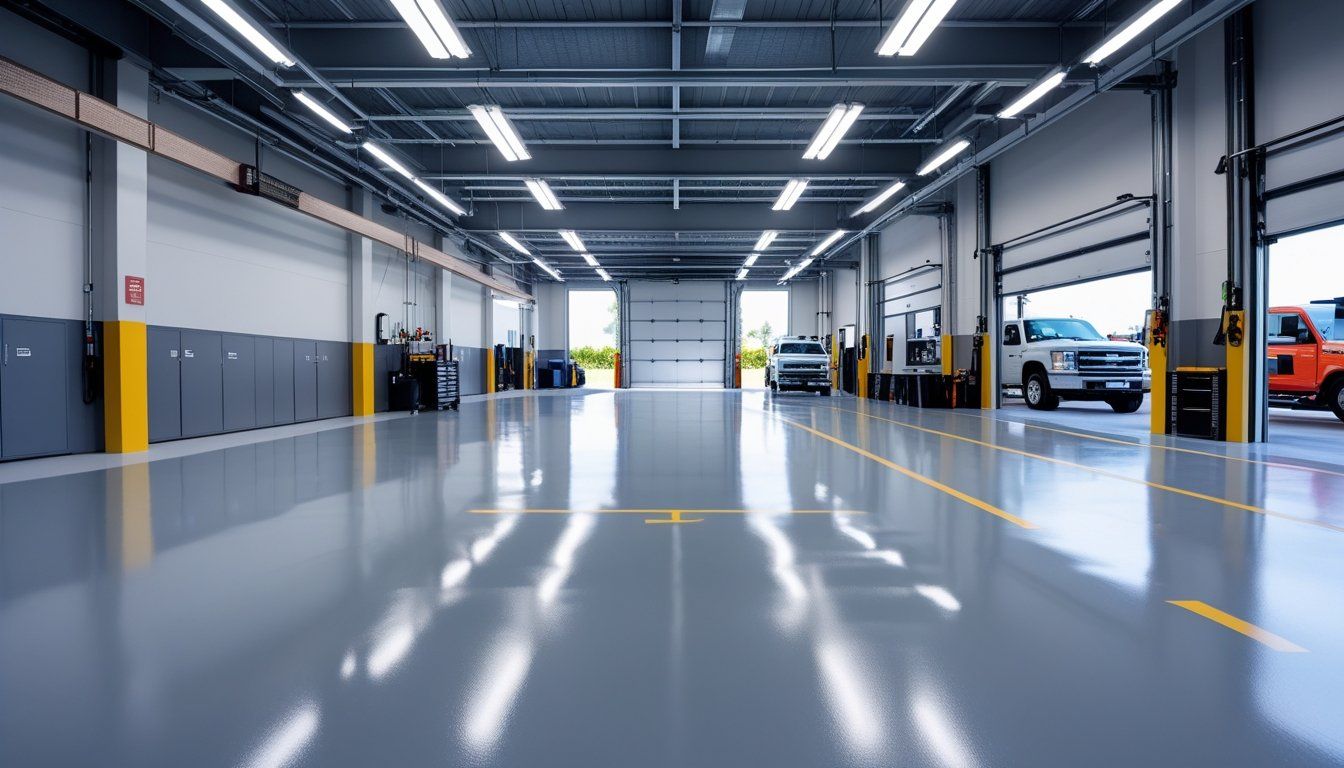
Its chemical resistance helps protect floors against cleaning agents and accidental spills. You’ll also appreciate how the smooth surface improves lighting by reflecting overhead lights, brightening your work area naturally.
Epoxy floors are easy to mark for safety lines, walkways, or storage zones using color customization. This clear organization lowers accident risks and boosts productivity.
Pharmaceutical And Healthcare Environments
Pharmaceutical and healthcare spaces require floors that meet strict hygiene standards. Epoxy flooring provides a seamless finish with no cracks or joints where dirt and germs can hide. Its chemical resistance is ideal for areas using strong cleaning agents and disinfectants daily.
You can trust the surface to stay intact
and clean after repeated sanitation. With epoxy, your floor becomes easy to disinfect, helping maintain a sterile environment. Anti-slip options add safety in labs or treatment rooms where spills might happen.
Installation Process For Industrial Epoxy Flooring
Installing epoxy flooring for industrial spaces involves careful preparation, precise application, and proper curing. This process ensures your floor will be durable, easy to clean, and able to withstand heavy use.
Each step is key to getting the long-lasting results you expect.
Surface Preparation Steps
The first step is preparing the concrete surface. It must be clean, dry, and free of oil, grease, or dust. Any cracks or holes need to be repaired to create a smooth base. Surface preparation often includes grinding or shot blasting the concrete.
This roughens the floor to help the epoxy stick better. Proper moisture testing is also important because excess dampness can cause the epoxy to fail. Removing old coatings or sealers is necessary if your floor has been treated before. This careful prep helps avoid bubbles or peeling later on.
Application Methods
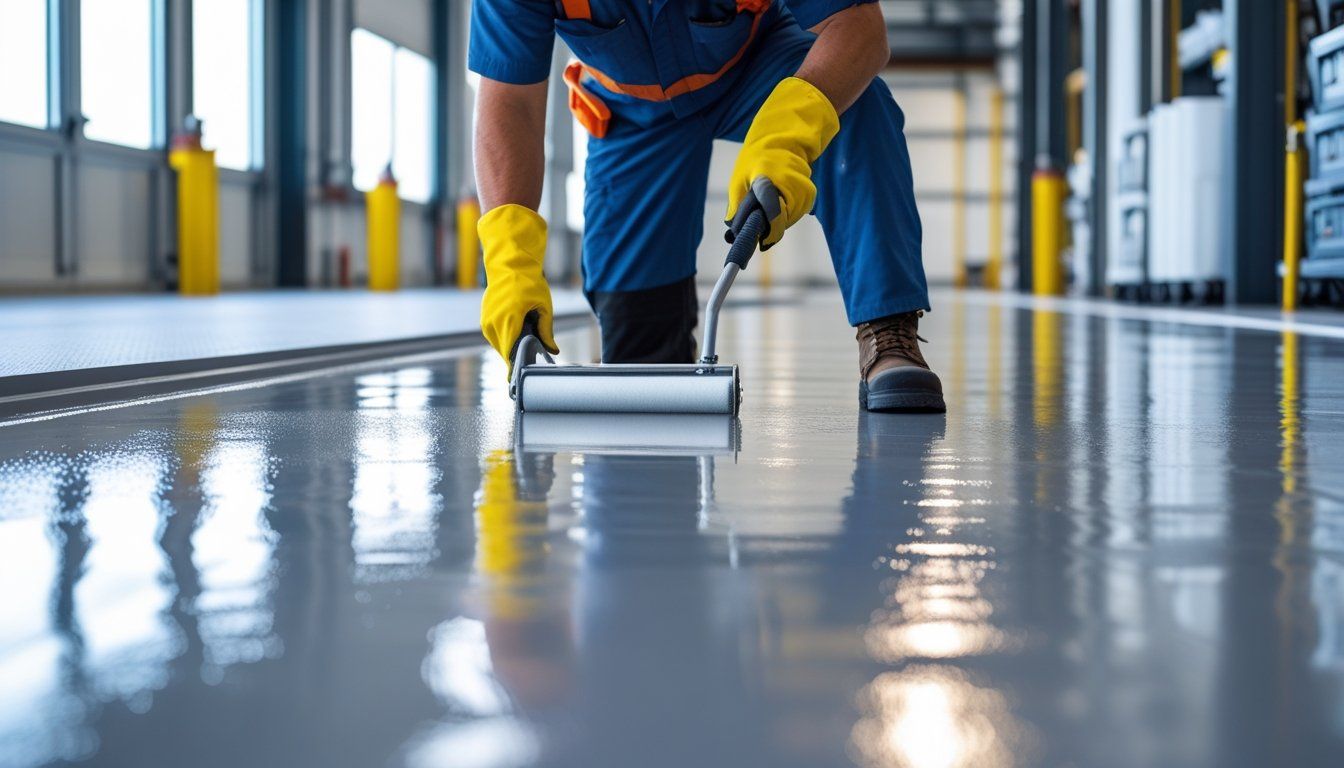
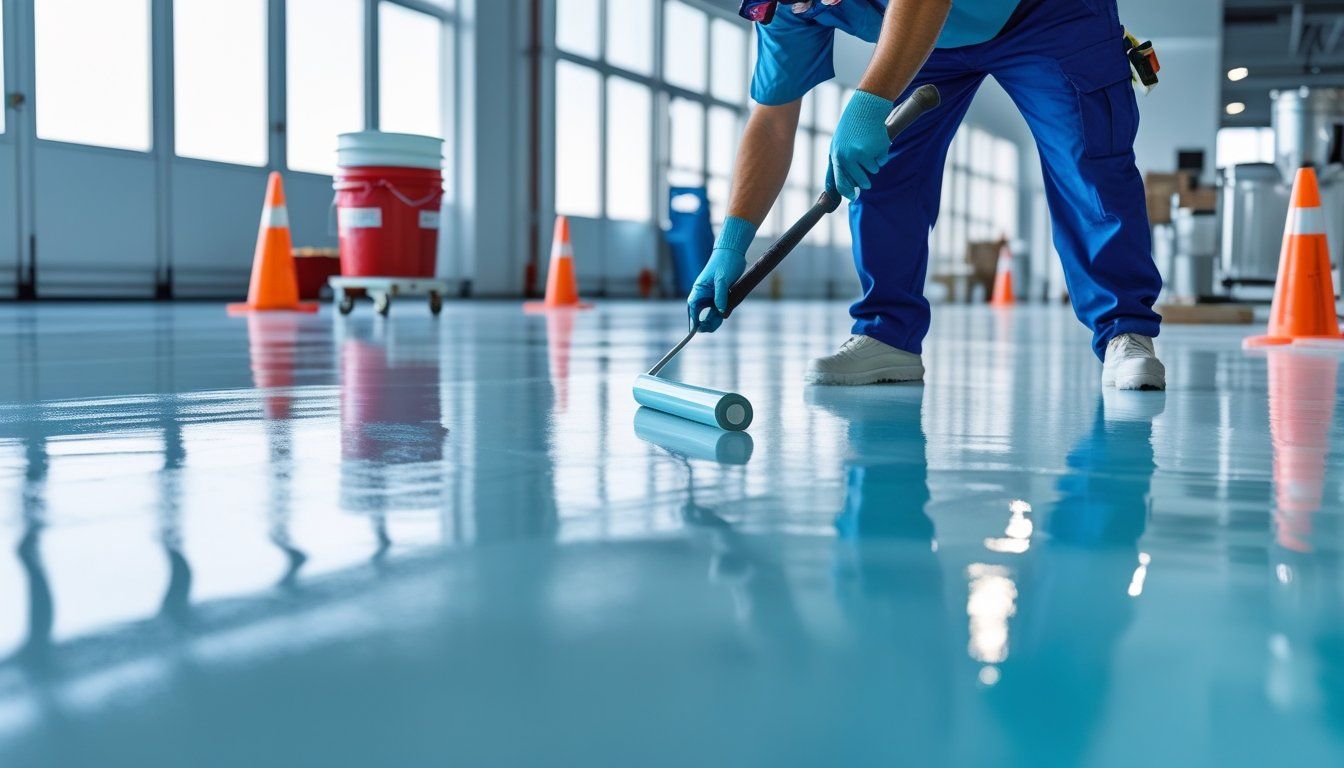
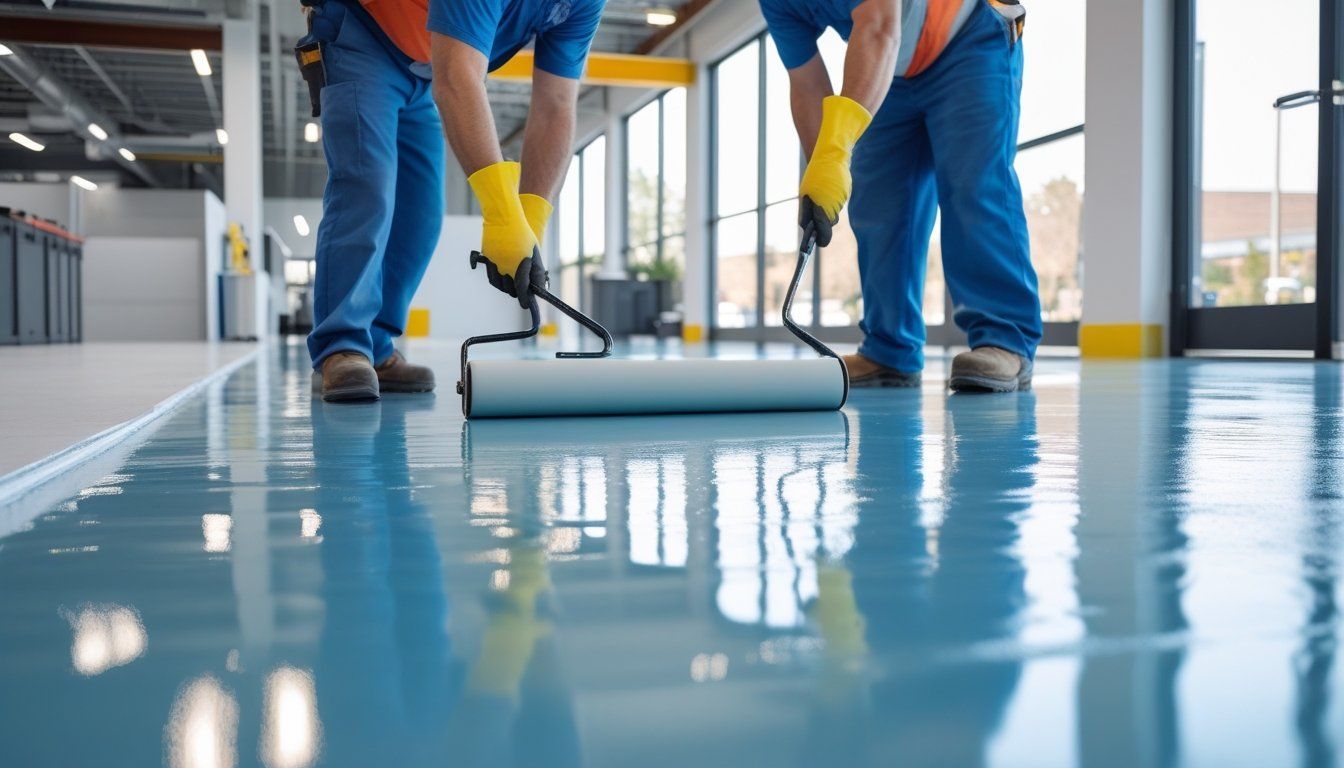
Once the surface is ready, the epoxy is mixed and applied. Most industrial floors use a two-part epoxy coating that combines resin and hardener. You can apply epoxy by roller, brush, or spray, depending on the size and detail needed.
For large warehouses, rollers are common because they cover big areas evenly and quickly. After the base coat, you may add decorative flakes or anti-slip textures to improve safety and appearance. Some floors get a clear topcoat to protect the color and boost chemical resistance.
Curing And Drying Times
After application, the floor must cure fully before it takes traffic. Curing times vary but usually range from 24 to 72 hours. Temperature and humidity affect how fast the epoxy hardens. During curing, avoid walking, driving, or placing heavy equipment on the floor.
Rushing this step can cause damage or reduce durability. We guide you on proper curing times so your floor performs well from day one. Proper curing means your new floor lasts longer and stays attractive under daily wear.
Design Options And Customization
You can make your industrial epoxy floor both practical and unique. Your choices include
a wide variety of colors and finishes, plus ways to add safety features. These options help improve the look and protect your workplace.
Color And Finish Choices
You have many color options to fit your space. Epoxy flooring can come in solid shades or metallic finishes that match your brand or facility layout. Finishes vary, too. You can choose matte, satin, or high-gloss based on how your floor will be used and how much shine you prefer.
Glossy finishes create a clean, polished look, while matte and satin finishes hide scratches better. Adding colored flakes or quartz gives texture and slip resistance.
Incorporating Safety Markings
Safety markings are key for industrial floors. You can add stripes, arrows, or boundary lines in bright colors to guide workers and reduce accidents. Yellow, red, and white are common colors for these markings because they stand out.
Marked walkways, work zones, and hazard areas improve organization and safety. You can also include anti-slip textures in these zones to enhance grip and prevent falls. Custom logos or branding can be added without affecting durability.
Our team can design these markings so your floor stays professional, safe, and compliant with workplace standards.
Choosing The Right Epoxy Flooring System
Picking the right epoxy flooring means looking closely at your space and how it will be used. You want a floor that handles your daily demands and lasts over time without frequent repairs. Consider your environment and performance needs before deciding.
Assessing Environmental Conditions
Your workspace conditions shape which epoxy systems work best. For example, if your facility faces heavy chemical exposure or moisture, choose an epoxy that resists these challenges.
Temperature swings also matter. If your site experiences heat or cold extremes, pick an epoxy designed to stay flexible without cracking.
Areas with heavy machinery need thicker coatings for impact resistance. In Cambridge and Greater Boston, local installers can match systems to your building’s climate and usage.
Matching Performance Requirements
Think about how much wear and tear your floor gets each day. High-traffic zones need thick, durable coatings with strong abrasion resistance.
Light-use areas can use thinner systems to save on cost while maintaining protection. If spills or moisture are concerns, request anti-slip finishes for added safety.
In customer-facing areas, you can choose stylish options
like metallic or decorative finishes that still meet industrial durability standards.
Cost Considerations And Budgeting
When planning for industrial epoxy flooring, your budget depends on several factors. The price usually ranges from $4 to $12 per square foot, based on floor size, condition, and selected materials.
Here are the main cost elements to keep in mind:
- Material quality: Higher-grade epoxy lasts longer and resists wear.
- Surface preparation: Repairs and cleaning add to the total.
- Installation complexity: Irregular layouts increase labor costs.
- Optional features: Anti-slip additives or specialty coatings raise prices.
Our team provides clear, detailed quotes so you know exactly what to expect before work begins. Our team ensures the installation fits your needs and budget.
Long-Term Maintenance And Care
To keep your industrial epoxy floor strong and appealing, regular care is essential. Sweep or dust daily to remove dirt and debris that could scratch the surface. A weekly scrub with mild detergent and warm water helps maintain the shine.
Avoid abrasive tools or harsh chemicals that may dull the coating. Clean spills right away to prevent slips or stains. Regular inspections can catch small cracks or chips before they spread.
We can help set a maintenance schedule that extends your floor’s lifespan and keeps it performing like new.
With the right care routine, epoxy flooring will handle heavy use and chemical exposure while staying attractive for years.
Common Challenges And Solutions
Even durable epoxy floors can face issues if not properly installed or maintained. Pinholes, bubbles, or craters can form from trapped moisture or air during application.
Proper surface prep and professional mixing techniques prevent these problems. Slipperiness is another concern, especially in wet or oily areas.
Adding grit or texture provides traction and reduces risk. Over time, high-traffic areas might lose their shine or show scratches.
Reapplying a topcoat or re-polishing can restore appearance and protection. Routine cleaning and quick repairs also extend your floor’s service life.
Future Trends In Industrial Epoxy Flooring
Epoxy technology continues to evolve. New formulations improve flexibility, chemical resistance, and UV stability, making floors last longer in demanding conditions. Sustainability is another trend.
Many modern coatings use low-VOC or eco-friendly resins, reducing environmental impact without sacrificing strength. Design flexibility is growing, too. Companies now combine safety markings, color zoning, and branding into seamless, customized epoxy systems.
Building Stronger, Safer Workspaces With Epoxy Flooring
Epoxy flooring offers unmatched strength, safety, and style for industrial facilities across Greater Boston. Its seamless surface stands up to heavy machinery, chemical spills, and daily wear while keeping your workspace bright and easy to maintain.
Cambridge MA Epoxy Flooring combines expert installation with deep local experience to deliver coatings that last.
We understand the needs of manufacturing plants, warehouses, and labs, providing solutions that meet safety standards and protect your investment.
Ready to upgrade your industrial space?
Reach out today
for a free consultation and quote. Let’s build a floor that’s tough, safe, and designed for your business success.
Frequently Asked Questions
What are the main advantages and disadvantages of epoxy flooring in industrial use?
Epoxy is durable, chemical-resistant, and easy to clean. However, it can be slippery when wet and may crack if the concrete underneath moves.
How much does epoxy flooring cost for large commercial spaces?
Costs range from $4 to $12 per square foot, depending on floor prep, materials, and coating type. Larger projects often get lower per-foot rates.
Which epoxy system works best for heavy industry?
Thicker mortar or self-leveling systems perform best under forklifts and heavy equipment. They resist wear and impacts longer than thinner coatings.
Can I install epoxy flooring myself?
DIY is not recommended for industrial sites. Professional installers ensure surface prep, safety compliance, and a durable bond that lasts.
What affects the lifespan of industrial epoxy floors?
Maintenance, cleaning routine, and environmental exposure all matter. With proper care, epoxy floors can last 10–20 years or more.
How should I choose the right installer?
Look for local experience, safety certifications, and transparent quotes. Cambridge MA Epoxy Flooring brings proven results across Greater Boston.
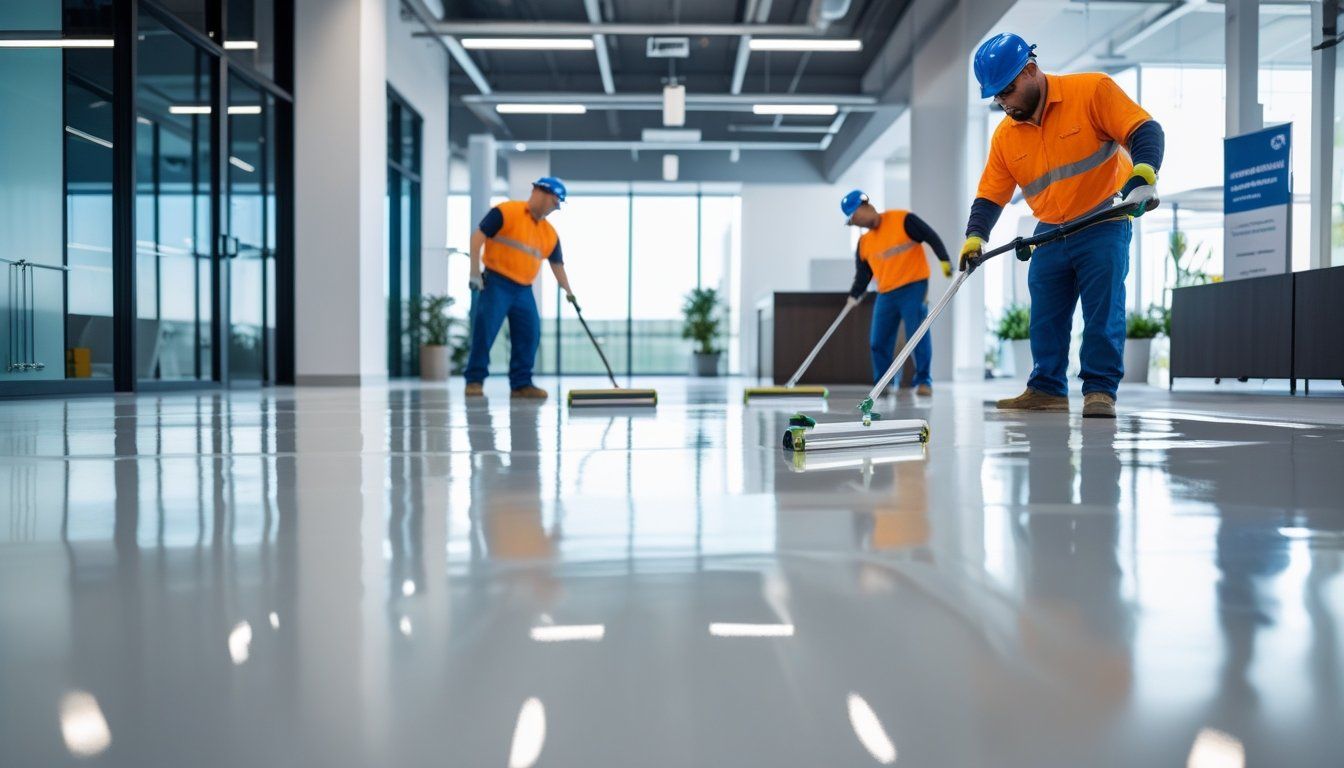
Learn how commercial epoxy flooring installation upgrades business spaces in Cambridge, MA. Explore safety, cost, maintenance, and installation insights.
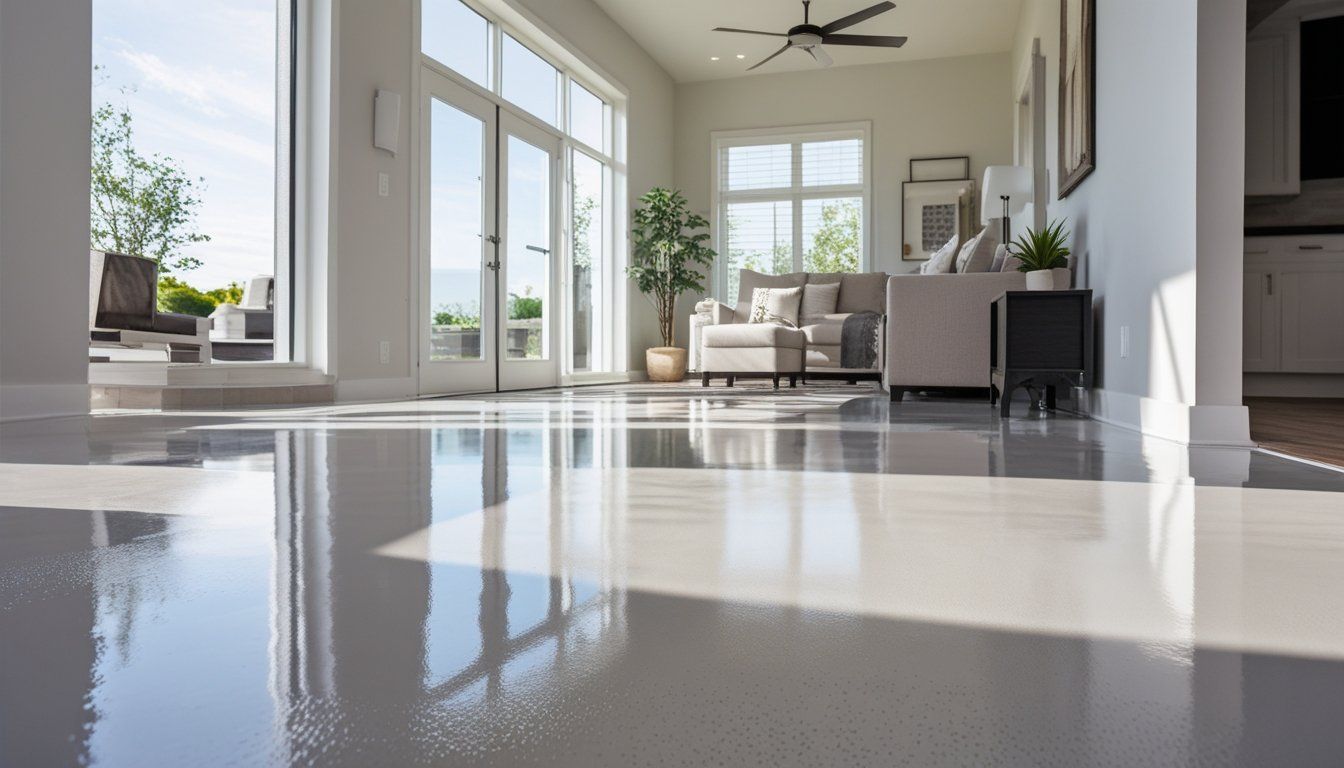
Explore durable residential epoxy flooring services in Cambridge, MA. Learn benefits, finishes, installation steps, and maintenance tips for your home.
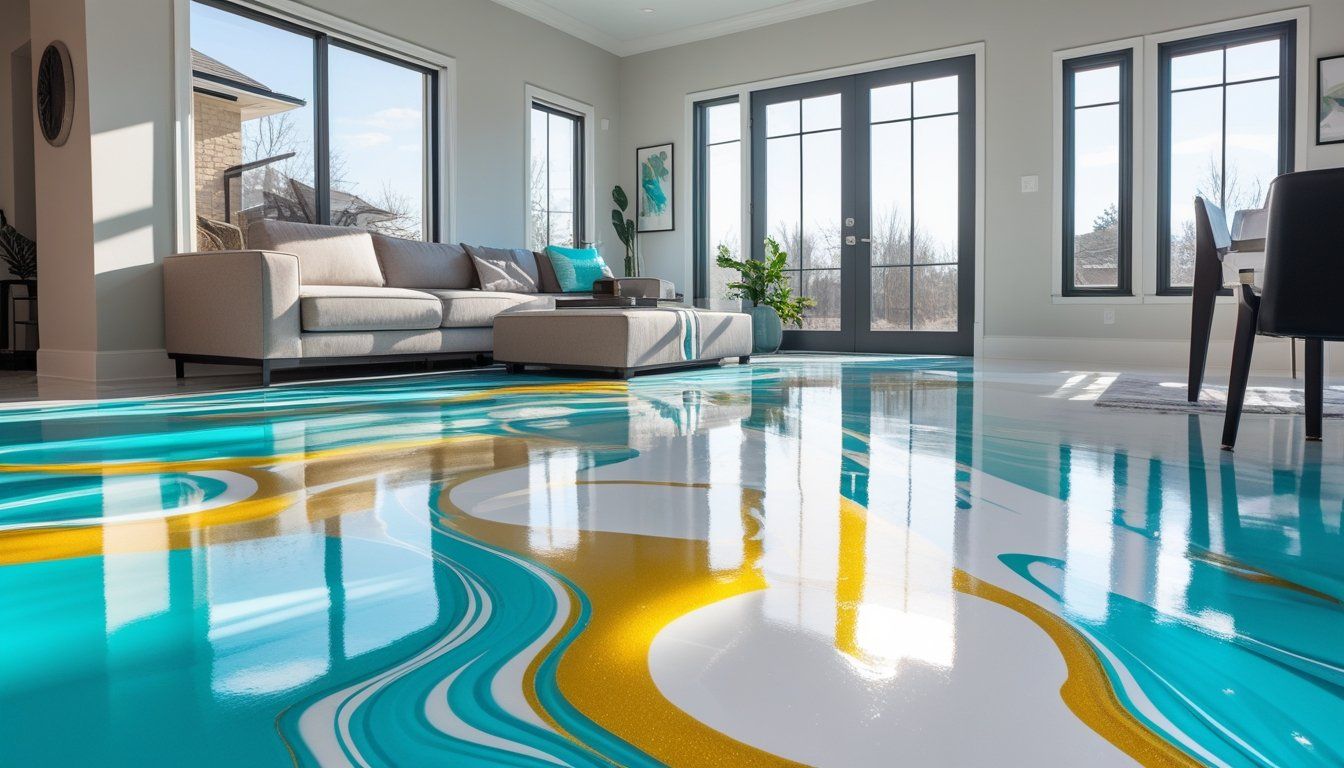
Explore durable residential epoxy flooring services in Cambridge, MA. Learn benefits, finishes, installation steps, and maintenance tips for your home.
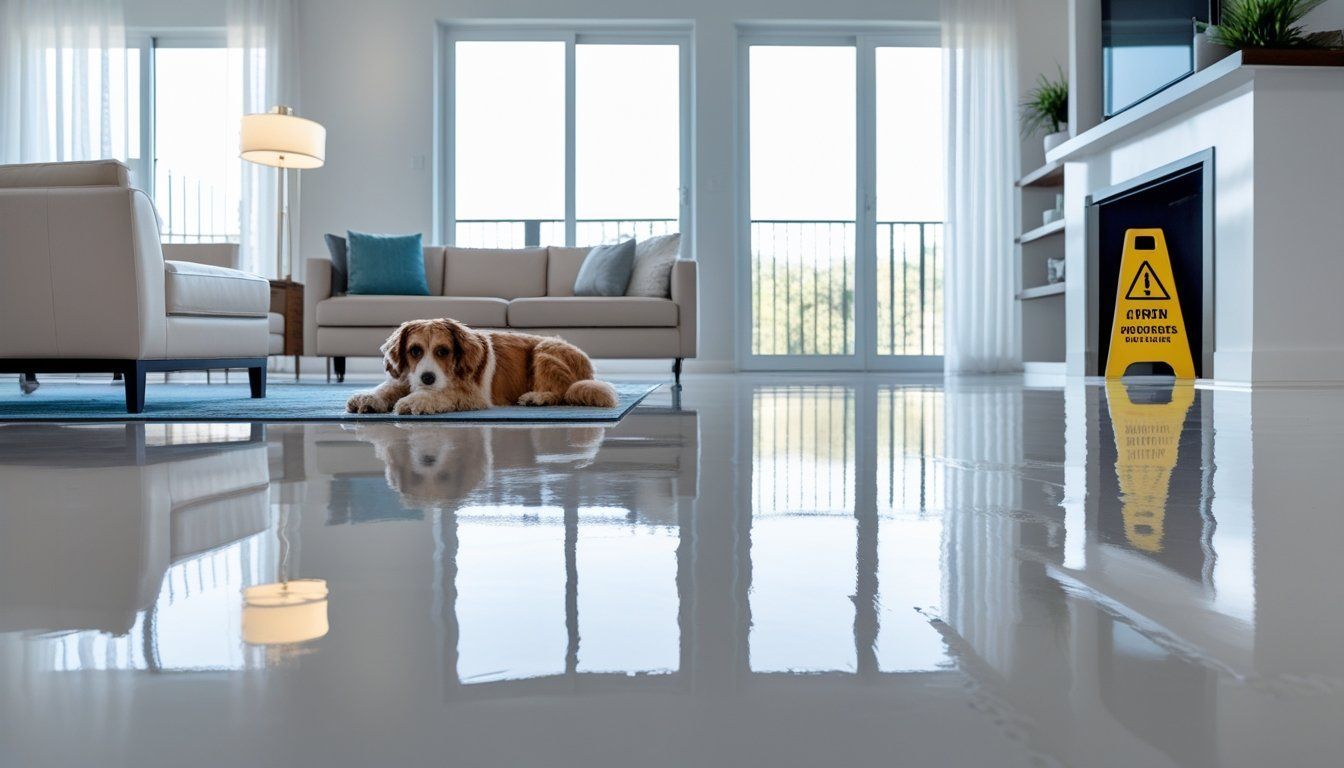
Learn the pros and cons of residential epoxy flooring in Cambridge, MA. Explore durability, safety, costs, installation steps, and maintenance tips.
Explore industrial epoxy flooring service in Cambridge, MA. Learn benefits, types, installation steps, safety factors, and maintenance tips for busy facilities.
Explore epoxy flooring services in Cambridge, MA. Learn systems, benefits, installation steps, and options for durable residential and commercial spaces.
Explore garage epoxy floor colors in Cambridge, MA. Discover design ideas, color trends, finishes, and how lighting and texture impact your choice.
Explore garage floor epoxy colors, finishes, and safety benefits for Cambridge homes. Learn how to choose shades that brighten, protect, and perform.
Discover commercial epoxy flooring services that enhance durability, safety, and style for businesses in Cambridge and Greater Boston.
Learn how commercial epoxy garage flooring improves durability, safety, and appearance for businesses across Cambridge and Greater Boston.