Residential Epoxy Flooring Services for a Durable and Stylish Upgrade
Daniel McGonagle • November 24, 2025
Residential epoxy flooring in Cambridge, MA gives your home a durable surface that handles daily wear, resists stains, and brings a polished, modern look. It works well in garages, basements, utility rooms, and living areas where durability and easy upkeep matter.
With Cambridge MA Epoxy Flooring, you get local installation
that strengthens concrete, enhances safety, and supports long-term performance. Each project throughout Cambridge and Greater Boston homes considers layout, lighting, and daily use.
This guide walks you through benefits, finish options, installation steps, maintenance tips, and cost considerations, helping you choose a residential epoxy flooring system that fits your home’s style and lifestyle needs.
What Is Residential Epoxy Flooring?
Residential epoxy flooring is a durable coating that goes right over concrete surfaces in your home. It creates a smooth, hard finish that resists stains, cracks, and the usual wear and tear. Use it in garages, basements, patios—basically anywhere you want a tough, clean floor. Plus, you can pick colors and textures that actually fit your style.
Key Features of Epoxy Flooring
Epoxy flooring comes from mixing resin and hardener. Once it’s applied, it forms a shiny, solid layer that bonds to concrete. Here’s what it brings to the table:
- Strong and resistant to impacts, chemicals, stains, and moisture
- Easy to clean—just sweep or mop
- Slip-resistant options for extra safety
- Customizable with colors, flakes, and metallic finishes for your décor
This flooring protects your concrete from damage and keeps its polished look for ages.
Epoxy vs. Traditional Flooring Types
Epoxy floors outlast tile, carpet, or wood. They don’t crack or stain as easily, and unlike carpet, they don’t trap dust or allergens. Paint can peel or chip, but epoxy doesn’t.
Tile might break under heavy stuff, while epoxy gives you a seamless surface—no grout lines to clean. Wood floors scratch up and need more TLC, but epoxy stands up to cars, tools, and whatever else you throw at it.
Honestly, in high-traffic areas like garages or basements, epoxy’s durability and easy care are just hard to beat.
Common Epoxy Flooring Myths
Some folks think epoxy floors are slippery, but you can add anti-slip textures for safety. Others worry epoxy feels cold or uncomfortable, but you can always toss down a rug or mat in living spaces.
People sometimes believe epoxy is tough to install or doesn’t last. Actually, when pros handle it, the job goes pretty quickly, and the floor can last a decade or more if you look after it.
And for those who assume epoxy won’t fit a home’s look—well, decorative finishes can be surprisingly stylish for both modern and classic spaces.
How Epoxy Improves Home Safety
Residential epoxy floors can increase safety by providing a seamless surface that reduces tripping hazards and can be blended with anti-slip additives. This becomes especially helpful in garages, basements, and laundry areas where moisture or spills are more common.
The CDC highlights how controlled surface friction decreases fall risks in home environments. When you choose a texture that matches your household’s activity level, you create a more predictable, secure surface underfoot.
Benefits of Epoxy Flooring for Homes
Epoxy flooring has a bunch of advantages that make your living space work better and look better. It’s a flooring option that handles daily life while staying easy to clean and stylish.
Enhanced Durability and Longevity
Epoxy floors are seriously tough. They resist cracks, stains, and damage way better than plain concrete. Your floors stay sharp for years, even in busy spots like garages or basements.
Since epoxy forms a solid, seamless surface, it protects the concrete underneath. It can handle heavy foot traffic, dropped tools, and spills without wearing out in a hurry. If you want a floor that sticks around and stays strong, epoxy’s a solid bet.
Low Maintenance Needs
Daily care with epoxy flooring is a breeze. Just sweep or mop to keep dirt and spills off. The smooth finish keeps stains from soaking in, so it’s easy to clean up messes.
Epoxy doesn’t soak up liquids like carpet or wood, so water damage or mold isn’t much of a worry. That’s especially handy in basements or patios that might get damp.
This floor’s resistance to chemicals and scratches means you don’t need constant repairs or fancy cleaning products. That saves time and money in the long run.
Aesthetic Versatility
Epoxy flooring is super customizable. Pick from tons of colors, patterns, and finishes. You can even go for metallic sheens or decorative flakes for texture and depth.
This flexibility means you can match your floors to your home’s design, whether you’re into sleek modern or cozy and warm. The glossy finish also bounces light around, which can brighten up darker spots like garages or basements. A good-looking epoxy floor adds value and curb appeal—without a ton of effort.
Popular Applications in Residential Spaces
Epoxy flooring fits into so many spots at home. It’s durable, easy to keep clean, and you can tweak the look to fit your taste. It brings both function and style wherever you put it.
Epoxy Flooring for Garages
Garages take a beating from cars, tools, and spills. Epoxy flooring gives you a strong, stain-resistant surface that stands up to oil drips, dirt, and heavy use.
The glossy finish makes cleaning easy and keeps cracks from spreading. You can add anti-slip textures for safety, too. Choose colors or patterns that work with your home or just brighten things up.
Kitchens and Living Areas
Epoxy floors aren’t just for workspaces. They can bring style and strength to your kitchen or living room. The seamless surface shrugs off stains from food, drinks, and daily foot traffic.
Pick from finishes that match your cabinets or flooring theme. Epoxy is also low-maintenance
— a quick wipe and you’re good. If you want a modern, polished look that’s tough underfoot, it’s a real option. Family spaces get floors that hold up well and are a breeze to care for.
Basements and Utility Rooms
Basements and utility rooms often get damp, dirty, and see heavy use. Epoxy flooring creates a water-resistant barrier that shields concrete from moisture and mold. It also stands up to chemical or paint stains.
The coating brightens up those dark basement corners and makes cleanup less of a chore. Customize with colors or flakes for a little extra flair. Safety is another plus—epoxy finishes can include anti-slip properties to cut down on falls in wet areas.
If you want a basement floor that’s tough, looks good, and protects your space, epoxy’s a smart move.
Types of Residential Epoxy Flooring Finishes
When you’re picking epoxy flooring for your home, you’ve got several finish options. Some go for solid colors, others add unique effects or extra strength with special materials.
Solid Color Epoxy Systems
Solid color epoxy floors give your space a clean, even look. There are plenty of colors, so you can match your style or blend with your home’s decor.
They’re easy to clean and resist stains, which is perfect for garages, basements, or patios where spills are pretty common. Solid color finishes also hide dirt and dust well.
If you’re after something straightforward but durable, a solid color system works. It shields your concrete from cracks, chemicals, and heavy use, so your floors last longer.
Metallic Epoxy Floors
Metallic epoxy finishes bring a glossy, shiny vibe—almost like a liquid metal surface. These floors catch the light in cool ways, giving your home a modern edge.
Special pigments mixed into the epoxy create swirling or mottled patterns. This finish works great when you want your floor to stand out, like in living spaces where design really matters.
Besides looking sharp, metallic floors are durable and low-maintenance. They resist scratches and stains, so they keep their sleek look over time.
Quartz-Infused Epoxy Finishes
Quartz-infused epoxy floors mix small quartz granules into the coating for extra strength. This adds a textured surface that’s slip-resistant and more rugged than standard epoxy.
It’s a solid pick for spots where safety is a priority, like mudrooms, garages, or workshops. The texture helps prevent slips, even on wet or oily floors.
Quartz floors also handle heavy traffic well. The quartz bits protect the floor from wear, so it stays looking good and working hard for longer.
The Residential Epoxy Flooring Installation Process
Installing epoxy flooring at home takes a few clear steps to get a smooth, strong finish. You’ve got to prep the surface, apply the epoxy carefully, and let it cure. After that, just basic care keeps your floors looking sharp for years.
Surface Preparation Steps
The floor needs proper prep
for the epoxy to bond well. First, you’ve got to get rid of any old coatings, dirt, or dust. Usually, this means grinding the concrete so the epoxy sticks tightly.
Next, fill cracks and holes with a patching compound to even things out. It’s important to check moisture levels in the concrete, too—damp floors can mess up the epoxy later on.
Finally, clean the area again to clear out dust from grinding. Good surface preparation helps prevent peeling and makes sure your floors stay durable.
Application and Curing Timeline
Mix the epoxy with hardeners and additives for extra strength, then spread it evenly across the prepped floor—usually in two or more coats for solid coverage.
Let each coat dry for several hours. The full curing process takes 24 to 72 hours, and you’ll need to keep the floor dry and clear of traffic during that time. This helps the epoxy harden all the way through.
Whoever installs it should let you know when it’s safe to walk on or move furniture back. A little patience during curing goes a long way toward getting a floor that actually lasts.
Post-Installation Care
Once your floor’s ready, keeping it clean is pretty straightforward. Just sweep or vacuum regularly to get rid of dirt and grit that could scratch the surface. A quick mop with mild soap and water keeps the shine up without messing with the epoxy.
Skip the harsh chemicals and abrasive tools—they’ll wreck the finish before you know it. If your floor has an anti-slip texture, take it easy when cleaning so you don’t wear it down.
If you spot small chips or worn areas, reach out to your installer—they can usually patch things up so your floor keeps looking fresh. A bit of routine care goes a long way in keeping epoxy floors tough and stylish for years.
Factors Influencing Epoxy Flooring Selection
Picking the right epoxy flooring really comes down to how you use your space and the vibe you want. Your daily routine and activities should steer your choice, while color and design options let you match your home’s personality.
Lifestyle and Usage Considerations
Think about what happens on your floors every day. Garages, for example, need to handle cars, oil spills, and heavy stuff, so you’ll want a tough, chemical-resistant epoxy. Basements or patios? Those might need a slip-resistant coating, especially if you have kids or pets running around.
Maintenance is a big deal,
too. Most people want floors that are easy to clean and don’t look beat up after a while. Epoxy floors are built to shrug off stains and daily wear. Consider if the surface needs to handle moisture or heavy foot traffic—these details help you decide which epoxy type and finish to go for.
Color and Design Choices
Epoxy floors can be as bold or as subtle as you want. Go classic with a single color, try a metallic finish, or mix in decorative flakes for extra texture and flair. These options let you make your floors pop or blend in with the rest of your decor.
Lighter colors brighten up dark rooms, while darker shades are great at hiding dirt. Some coatings come with anti-slip textures, so you don’t have to trade safety for style.
Caring for and Maintaining Epoxy Floors
Keeping your epoxy floors looking sharp means regular cleaning and a little protection from damage. With some basic care, they’ll stay shiny and tough, even in high-traffic spots like garages and basements.
Regular Cleaning Tips
Start by sweeping or using a soft broom every day to clear out dust and dirt. That way, grit doesn’t get a chance to scratch things up.
Then mop with warm water and a gentle, pH-neutral soap or a cleaner made for epoxy. Harsh chemicals or acidic cleaners? Skip them—they’ll just dull the shine or mess with the coating.
Spills happen—wipe them up fast. Epoxy resists stains, but let a puddle sit too long and it might leave a mark. If you need to deep clean, use a soft scrub brush or microfiber mop. Avoid stiff brushes or rough pads—they can scratch the surface.
Preventing Scratches and Damage
To keep things looking new, put felt pads under furniture legs and don’t drag heavy stuff across the floor. Dirt and small stones stuck on shoes can scratch, so regular sweeping is a must. Rugs or mats by the doors help catch dirt before it gets tracked in.
Try not to drop sharp or heavy items—epoxy is tough, but it’s not invincible and can chip if hit hard enough.If scratches show up, professional repair services can usually get things looking right again without much fuss.
Safety and Environmental Benefits
Epoxy flooring isn’t just about looks or durability. It can actually make your home safer and a bit greener, too. That’s especially important in busy spots like garages and basements.
Slip-Resistant Options
You can add slip-resistant coatings or textures to epoxy floors. That’s a big deal if you’ve got kids, pets, or tend to have wet floors. Anti-slip additives mixed into the epoxy give the surface some grip and help prevent falls.
Plenty of finishes let you keep things stylish while boosting safety. You can pick the right texture or blend for your needs, without sacrificing durability.
Eco-Friendly Materials
Many epoxy floor systems use materials that are low in harsh chemicals and built to last so that you won’t need frequent repairs or replacements. Some options even include eco-friendly
components, reducing the release of toxins during installation.
Choosing greener epoxy helps keep indoor air cleaner—better for everyone at home. Local installers can point you toward safe, environmentally friendly options that still meet your needs. That way, your floors stay safe and eco-conscious for the long run.
Estimating the Cost of Residential Epoxy Flooring
Figuring out the cost and budgeting for epoxy floors can make your project way less stressful. Price depends on things like floor size, the epoxy type you pick, and any extras you want. A little planning up front helps keep things on track.
Factors Affecting Price
Floor size is the biggest piece—bigger spaces mean more material and more work, so costs go up. The shape your concrete is in matters, too. Cracks or stains? Those usually need fixing before epoxy goes down.
You’ve got choices on epoxy types and finishes. Simple, solid colors are usually cheapest. Add flakes, metallic shine, or anti-slip textures, and the price goes up. Thicker coatings cost more but last longer.
Labor costs change based on how tricky the job is and where you live. Local teams often know how to keep costs reasonable and still deliver solid results.
Budgeting for Your Project
Measure the area you want done—accurate numbers mean better quotes. Add about 10-15% extra to your budget for surprises or changes.
Think about your timeline, too. If you need it done fast, that can cost more. Don’t forget future maintenance—epoxy is low-maintenance, but a little cleaning or touch-up helps it look good longer.
Getting a detailed estimate up front gives you a clear picture of costs and options, so you can make decisions with confidence.
Why Choose Professional Residential Epoxy Flooring Services?
Going with pros for your epoxy floor means you get a surface that lasts, looks sharp, and doesn’t turn into a cleaning nightmare. Plus, experts prep your space right and use safe, high-quality materials.
Benefits of Expert Installation
When you hire a professional, you’re getting more than just a new floor. They’ll make sure your concrete is fixed up and spotless before any epoxy goes on. That prep work is crucial for a floor that won’t peel or bubble later.
Pros also know which materials and techniques fit your space best. Want anti-slip or custom colors? No problem. Expert installation means your floor stands up to stains, heavy traffic, and chemicals—ideal for garages, basements, or patios.
How to Select a Reliable Provider
Look for a local company with strong reviews and real experience in residential epoxy work—especially if they know the area. Make sure they offer transparent pricing and free quotes. They should be able to answer your questions about durability, upkeep, and design.
Ask what kind of materials they use and if their installers are skilled. Safety features
like anti-slip coatings are a plus. Choosing the right team helps you avoid headaches and get you a floor you’ll actually enjoy for years.
Trends in Residential Epoxy Flooring
Epoxy floors at home aren’t just about protection anymore. Now, you can really make them your own with all sorts of looks and finishes that fit your style. It’s a mix of durability and design that’s hard to beat.
Modern Patterns and Effects
There are tons of new patterns and effects out there. Metallic finishes give a shimmery, swirling look. Colored flakes can hide dirt and add texture.
These styles make spaces like garages or basements stand out. Finishes can be glossy and smooth for easy cleaning, or you can go matte if you’re not into the shine. Layering different coats creates depth and a cool 3D effect, adding richness without extra hassle.
Integration with Home Design Themes
You can match your epoxy floor to your home’s colors and design themes. Whether you lean minimalist or traditional, there’s a color or texture that’ll fit.
Neutral tones keep things clean and simple, while bold colors or patterns can tie in with accent walls or furniture. Anti-slip textures can be added without ruining the look, especially if safety’s a concern.
Working with a local expert means your floor will feel like it belongs in your home, not just something tacked on.
A Home Upgrade Built for Style and Everyday Living
Epoxy flooring brings strong protection, easy cleaning, and customizable finishes that adapt to garages, basements, patios, and living spaces. It gives your home a durable surface that stays sharp through daily activity.
Cambridge MA Epoxy Flooring offers reliable installation rooted in local expertise. Our materials are specifically suited to the way families across Cambridge and Greater Boston live in their homes. That partnership leads to long-lasting surfaces you can count on.
If you’re thinking about upgrading, now’s a great time to compare finishes. Reach out for a free quote
and explore color options, or request a tailored quote to see how epoxy can enhance your space.
Frequently Asked Questions
Epoxy flooring prices depend on size, materials, and prep work. You’ve got loads of styles and colors to choose from. Epoxy works well in garages—it’s tough and easy to clean. With a bit of care, it’ll last for years and doesn’t need much upkeep. Going with a trusted local pro is usually your best bet for good results.
How is the cost of epoxy flooring calculated per square foot?
Cost depends on the epoxy type, floor size, and the condition the surface is in. If you want complex designs or need repairs, expect to pay more. Pricing covers materials, labor, and whatever prep work’s needed to get your floor ready.
Can epoxy flooring be customized for different home designs?
Definitely, pick from a bunch of colors, textures, and finishes. Metallic looks or decorative flakes let you match your home’s style. Custom options help your floor feel unique and fit your space perfectly.
What are the benefits of choosing epoxy flooring for my garage?
Epoxy floors shrug off stains, spills, and heavy use. They’re easy to clean and protect your concrete. Anti-slip options boost safety, and the finish can make your garage feel brighter and more welcoming.
How long does residential epoxy flooring typically last?
With good installation and some care, epoxy floors can last anywhere from 10 to 20 years. They handle daily wear and tear well, especially in busy homes.
What maintenance is required for epoxy floors in a home setting?
It’s pretty simple: sweep regularly and mop now and then to keep them clean. Avoid harsh chemicals that can dull the finish. When needed, a professional can re-coat the floor to refresh its look and protection.
How do I choose the right professional for installing epoxy flooring in my residence?
Start by searching for local experts who have solid reviews and a track record with residential projects. Ask them directly about the materials they use and how they handle the installation process. It's always a good sign if they provide straightforward quotes and seem genuinely reliable—nobody wants surprises halfway through a job.
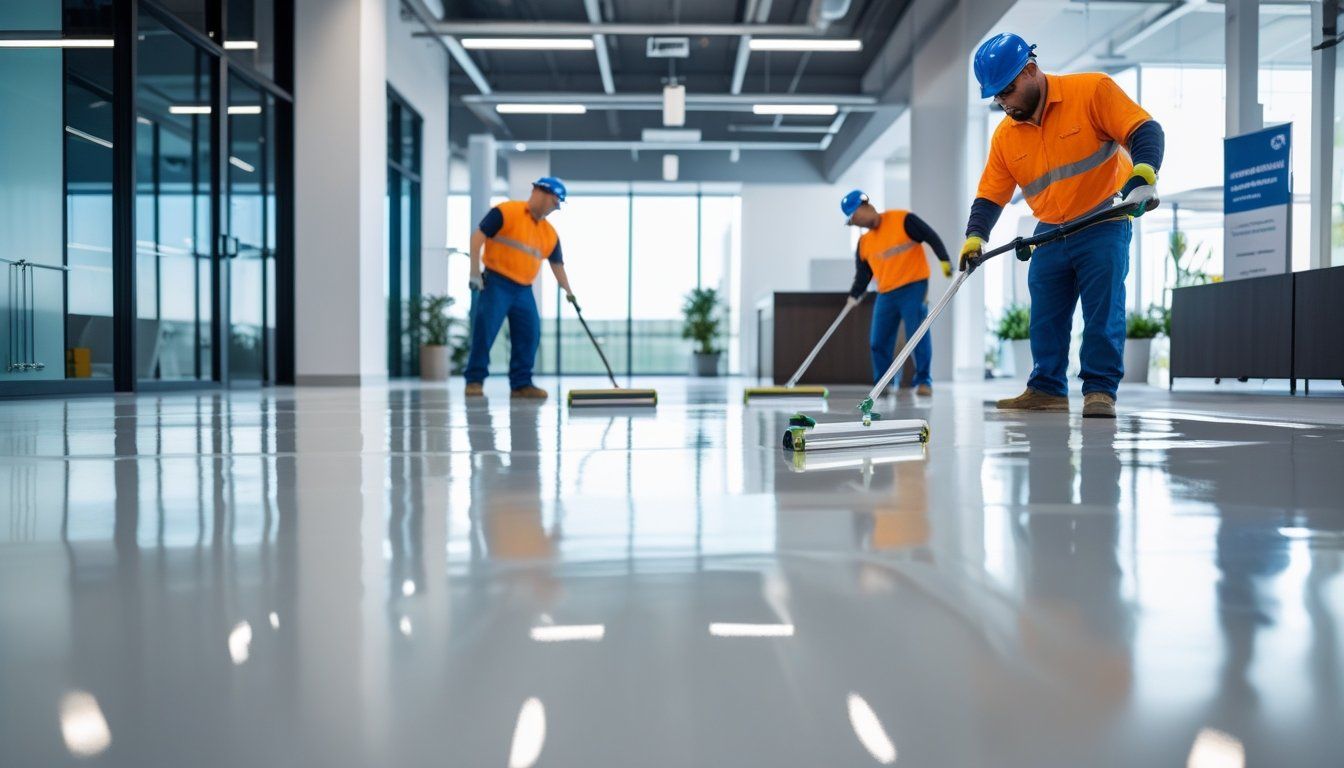
Learn how commercial epoxy flooring installation upgrades business spaces in Cambridge, MA. Explore safety, cost, maintenance, and installation insights.
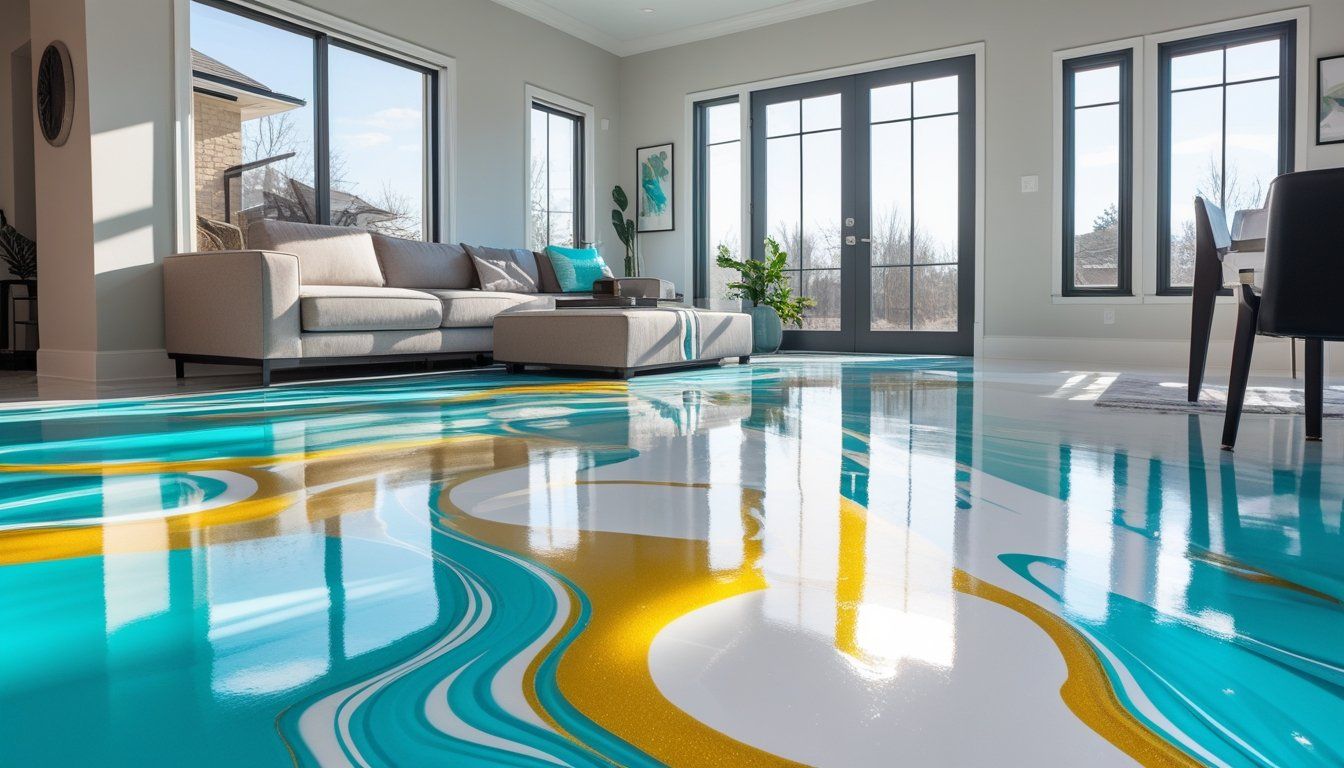
Explore durable residential epoxy flooring services in Cambridge, MA. Learn benefits, finishes, installation steps, and maintenance tips for your home.
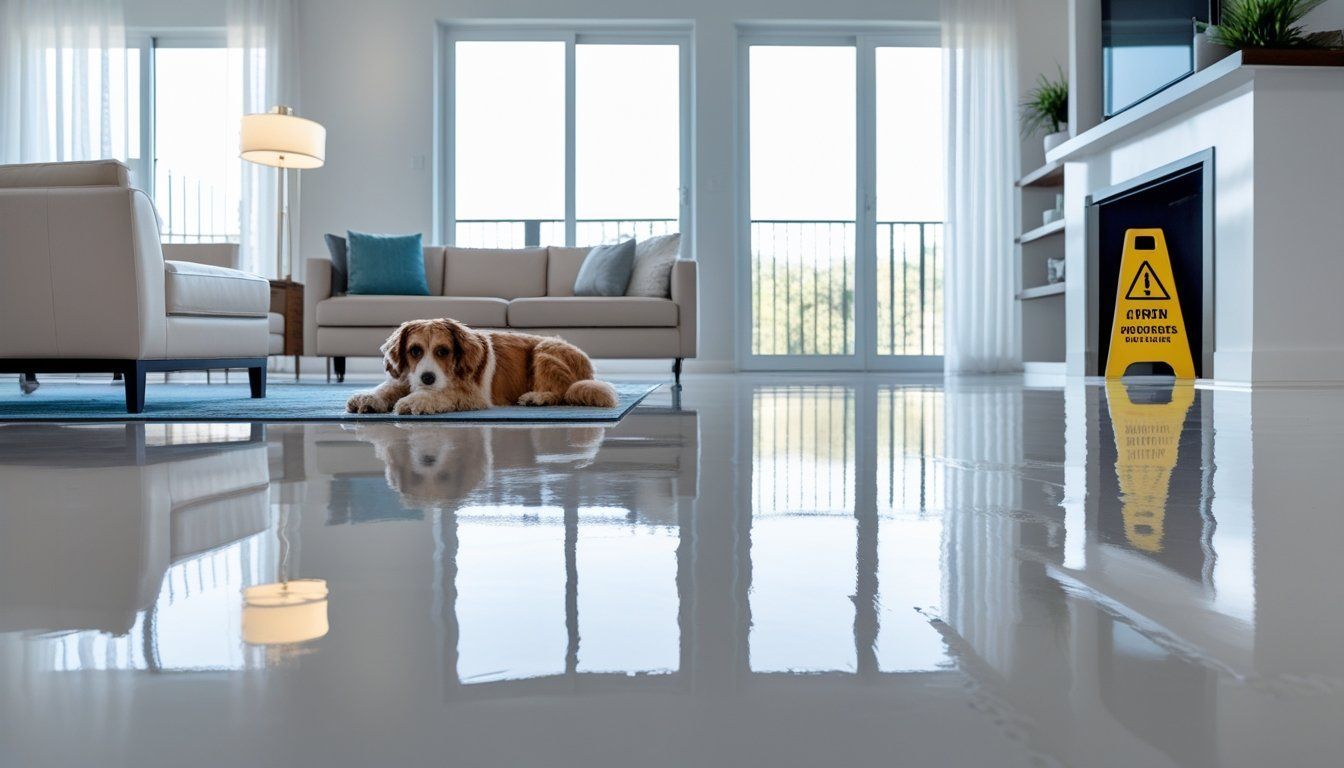
Learn the pros and cons of residential epoxy flooring in Cambridge, MA. Explore durability, safety, costs, installation steps, and maintenance tips.
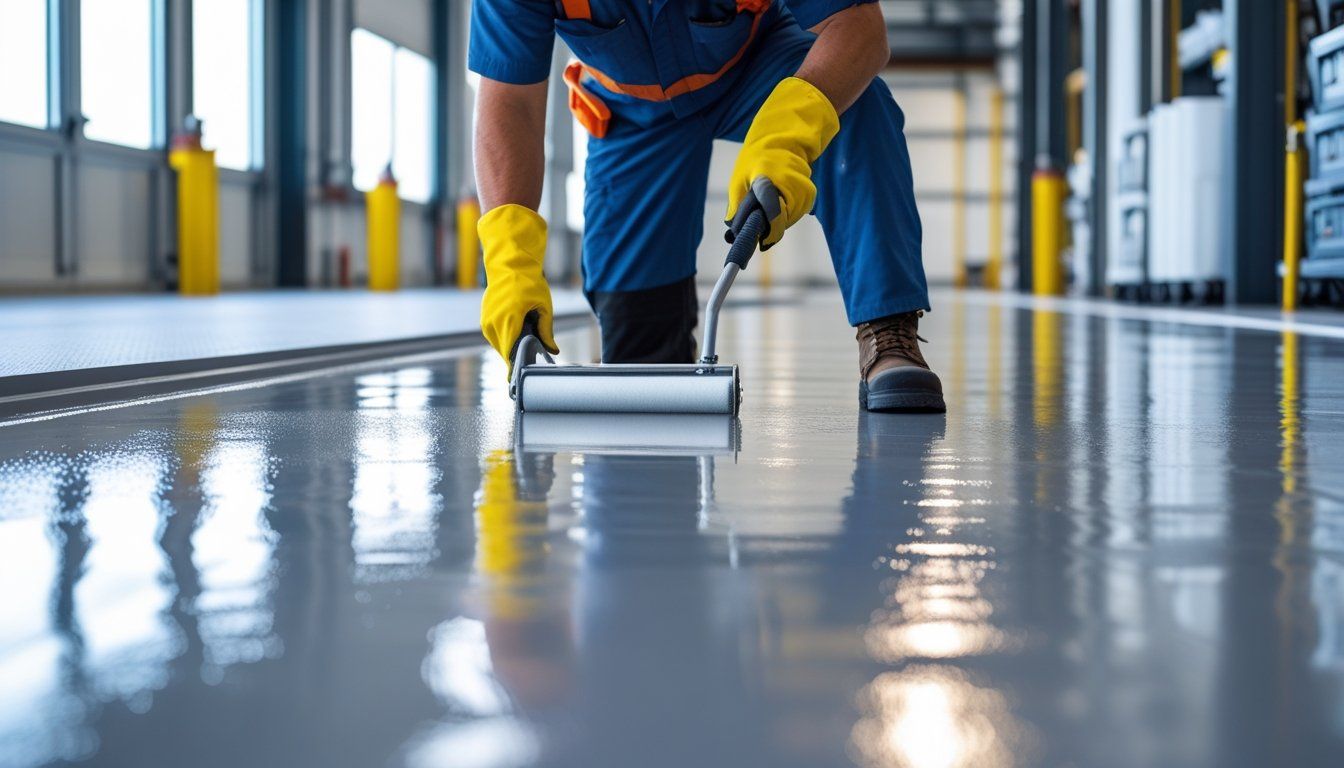
Explore industrial epoxy flooring service in Cambridge, MA. Learn benefits, types, installation steps, safety factors, and maintenance tips for busy facilities.
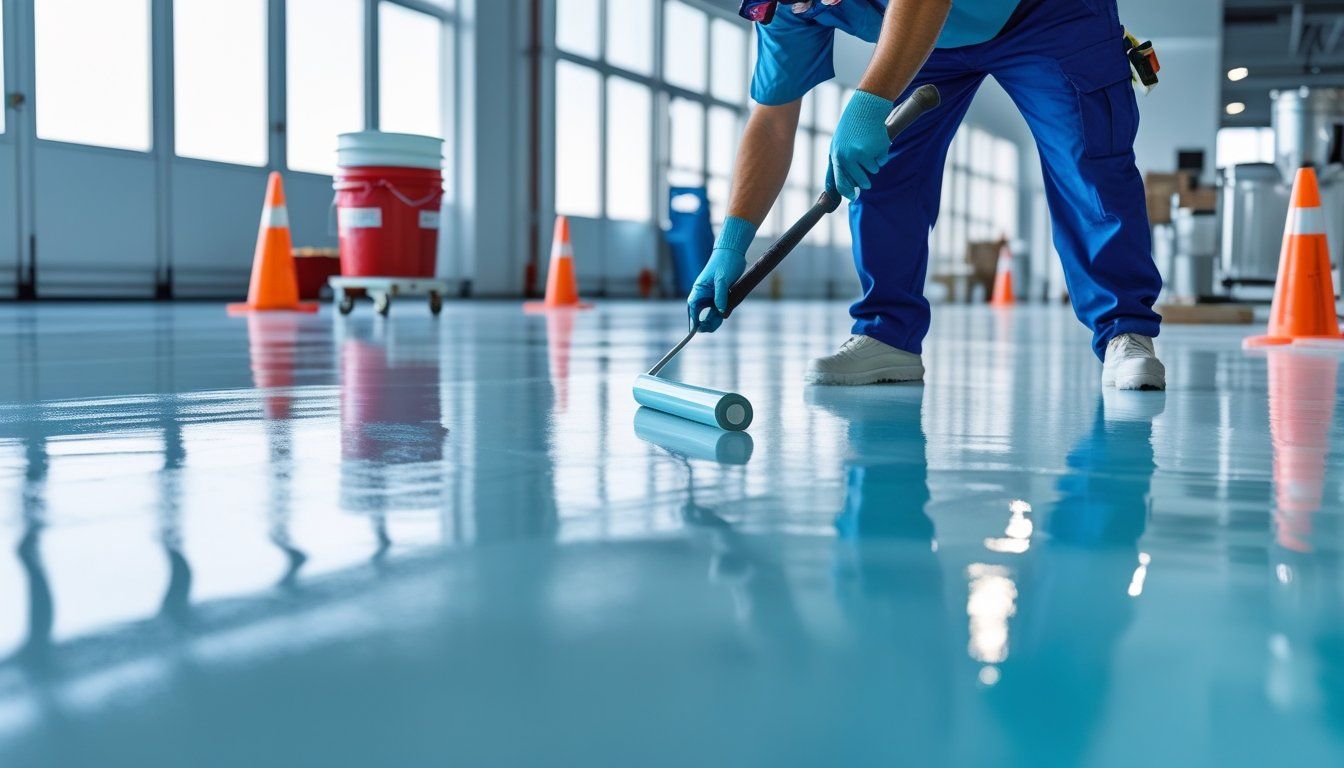
Explore epoxy flooring services in Cambridge, MA. Learn systems, benefits, installation steps, and options for durable residential and commercial spaces.
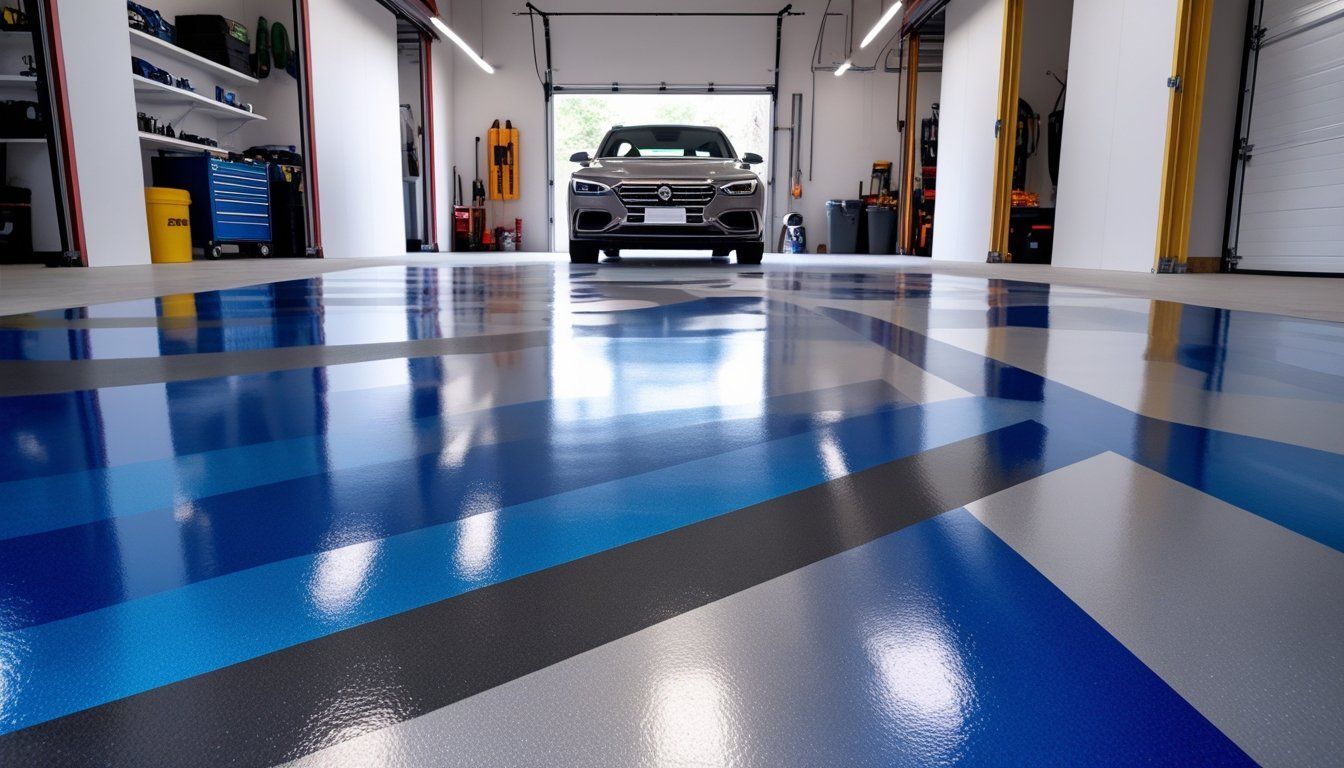
Explore garage epoxy floor colors in Cambridge, MA. Discover design ideas, color trends, finishes, and how lighting and texture impact your choice.
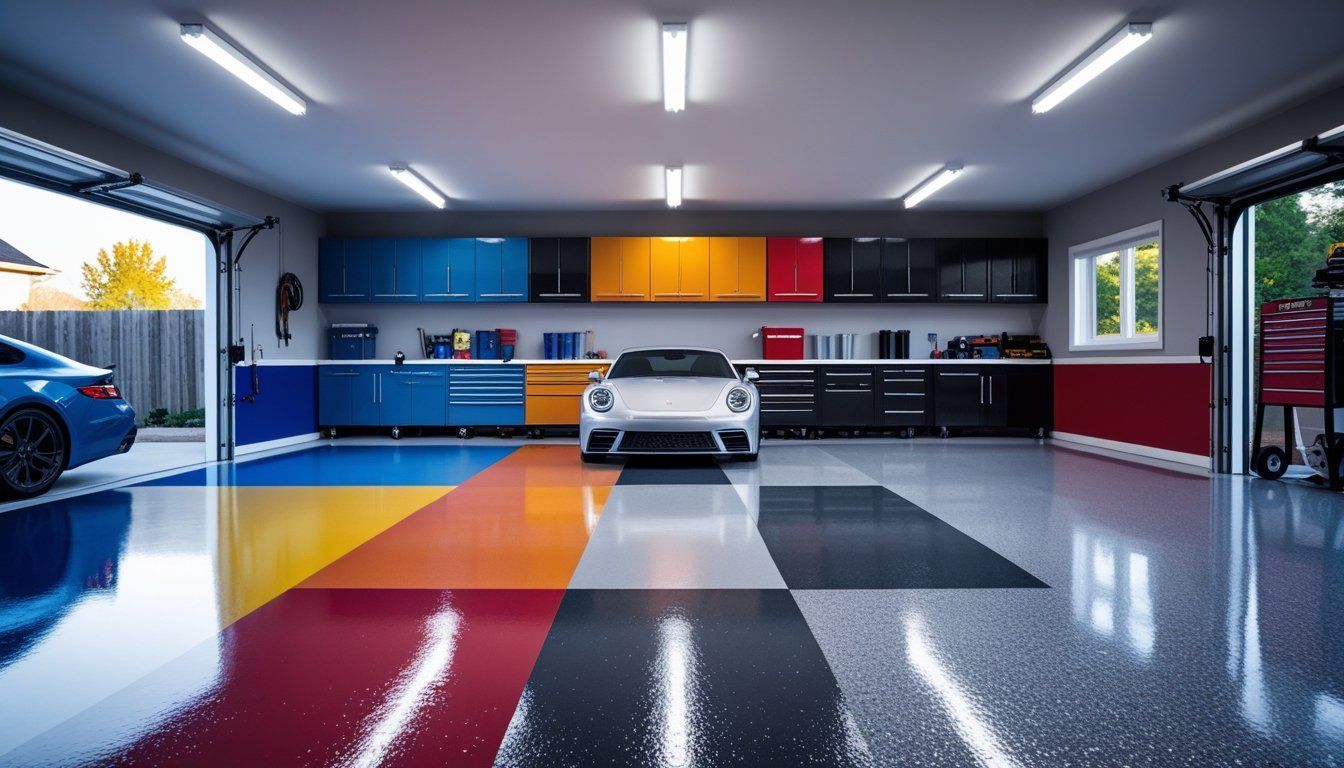
Explore garage floor epoxy colors, finishes, and safety benefits for Cambridge homes. Learn how to choose shades that brighten, protect, and perform.
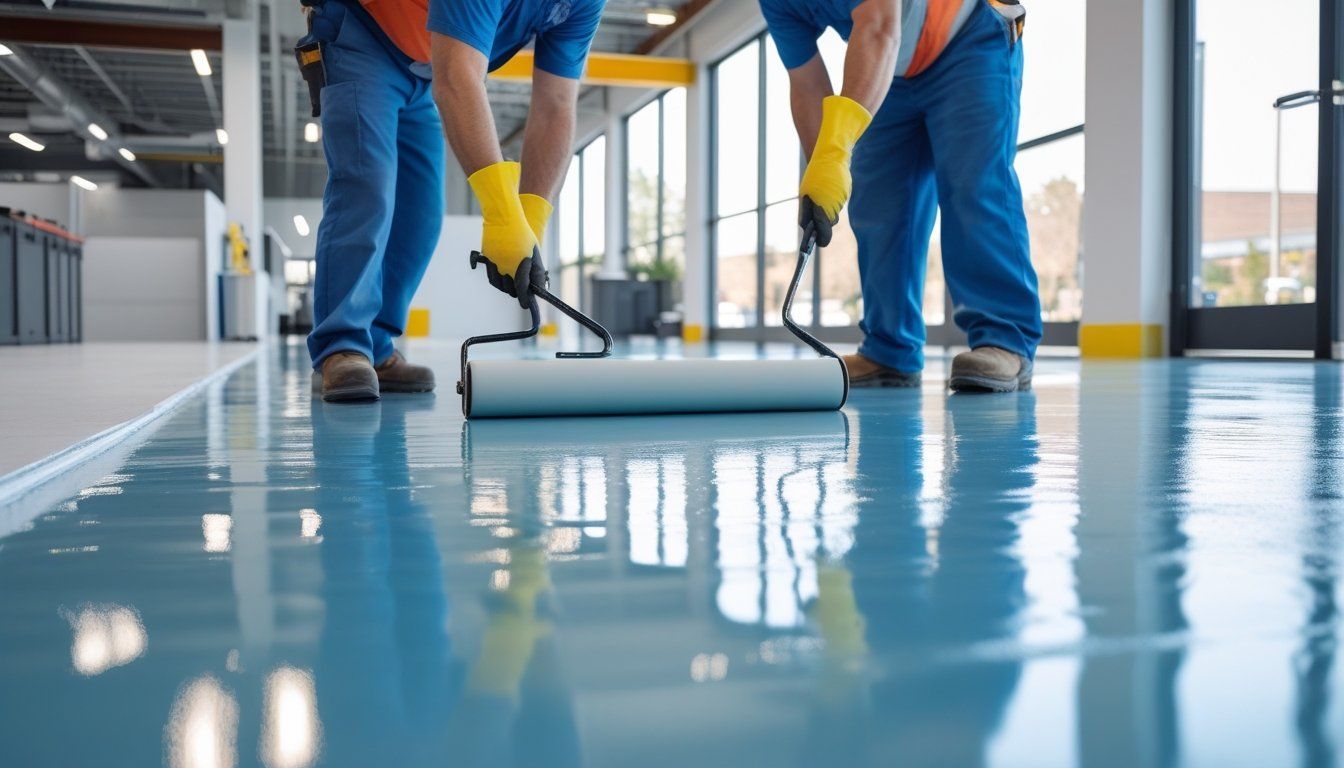
Discover commercial epoxy flooring services that enhance durability, safety, and style for businesses in Cambridge and Greater Boston.
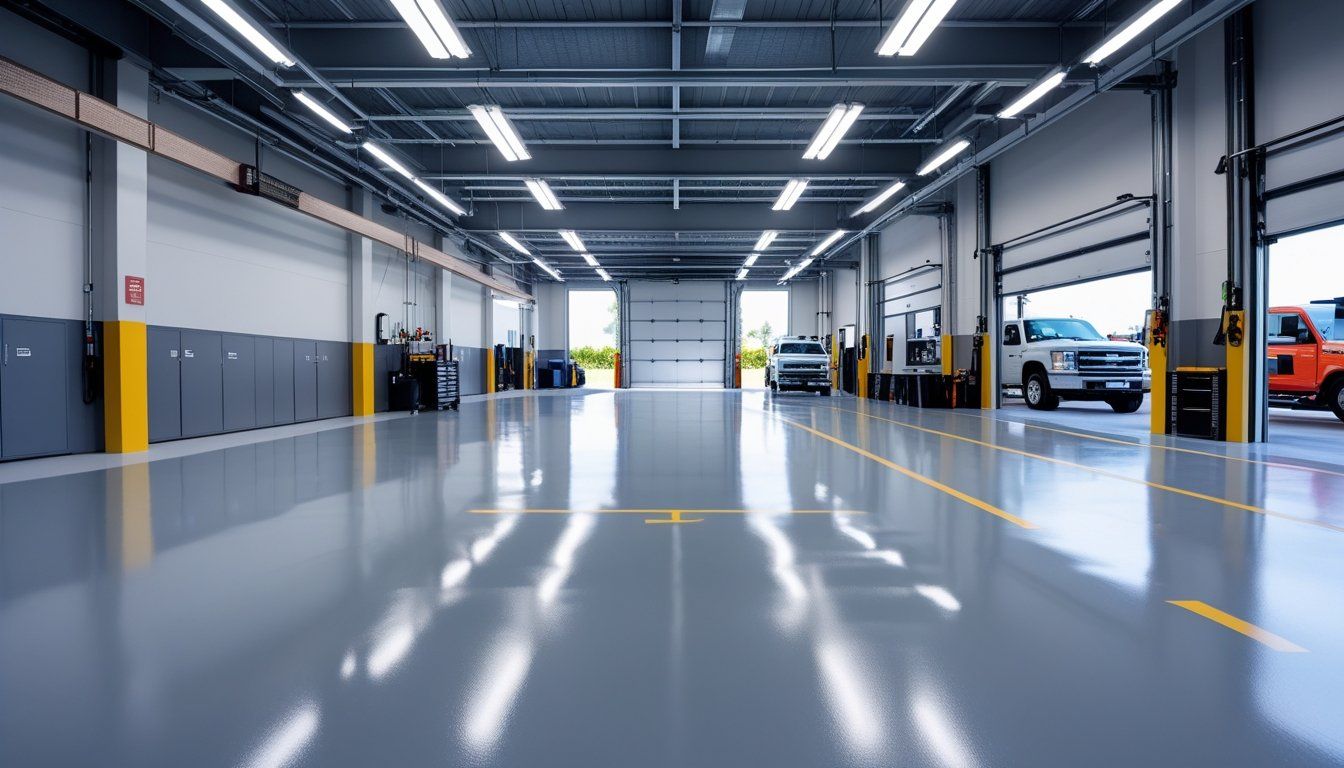
Learn how commercial epoxy garage flooring improves durability, safety, and appearance for businesses across Cambridge and Greater Boston.
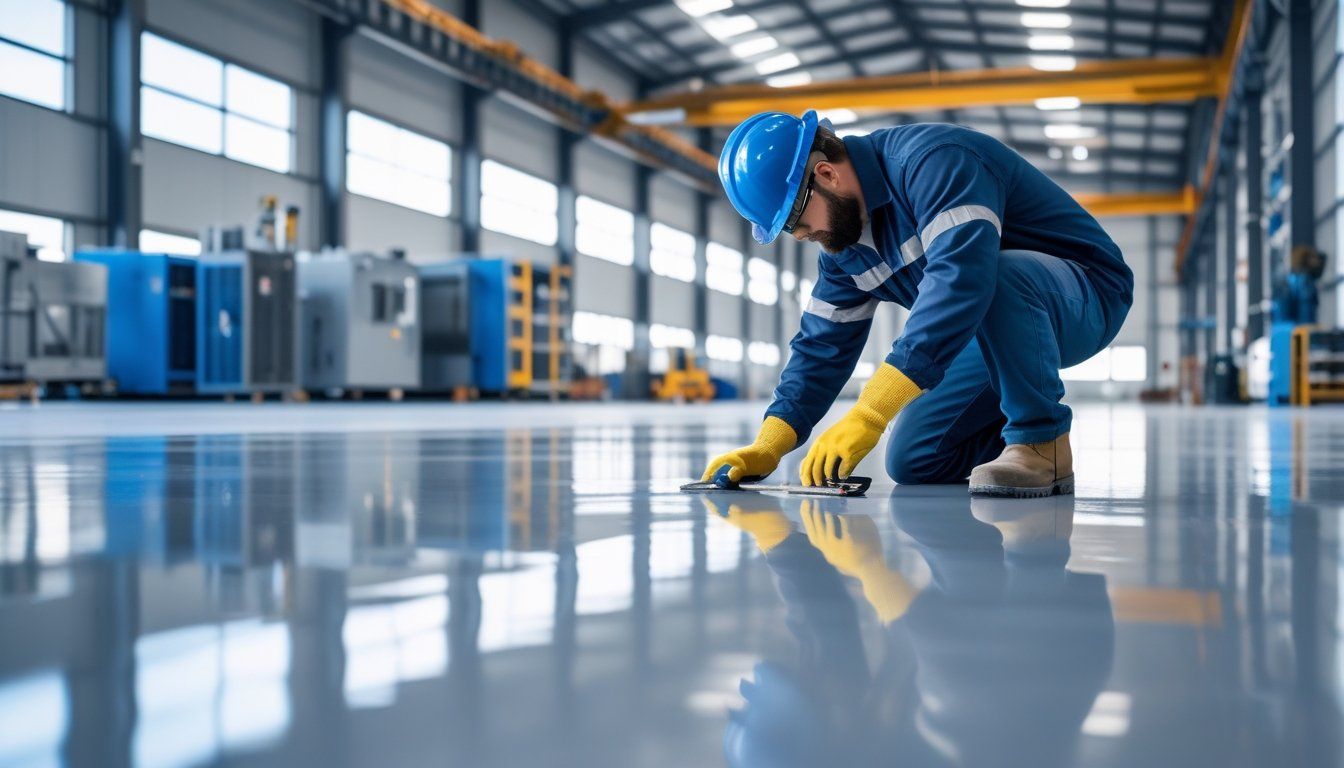
Learn the benefits of industrial epoxy flooring in Cambridge MA. Discover cost, durability, safety, and design tips for warehouses, factories, and labs.