Industrial Epoxy Flooring Cambridge MA
Daniel McGonagle • October 26, 2025
Industrial spaces need flooring that can handle daily wear while staying clean and professional. Epoxy flooring is designed for exactly that—strong, long-lasting, and resistant to chemicals, impacts, and heavy machinery.
Cambridge MA Epoxy Flooring installs high-quality
industrial epoxy systems throughout Greater Boston.
Their team understands the unique demands of local facilities, offering durable coatings that improve safety, efficiency, and appearance without excessive maintenance.
In this guide, you’ll learn how industrial epoxy flooring works and explore key benefits like chemical resistance and easy cleaning. Keep reading and also see a comparison with other flooring types, and discover how to select the right contractor for your business.
Understanding Epoxy Flooring for Industrial Use
Epoxy flooring offers a strong, long-lasting surface that holds up well in tough industrial settings. It resists damage from heavy machines, chemicals, and spills, while staying easy to clean and safe.
Knowing what epoxy flooring is and how it works helps you pick the best option for your space.
What Is Industrial Epoxy Flooring
Industrial epoxy flooring is a tough coating made from two parts: a resin and a hardener. When mixed, they form a solid, durable layer over concrete floors.
This layer protects your floor from cracks, stains, and wear. It’s popular in warehouses, factories, and labs because it withstands heavy traffic and harsh conditions.
The finish is smooth and easy to clean, which helps keep your facility safe and neat. You can also choose from different colors and textures to fit your workspace.
Types of Epoxy Flooring Systems
There are several epoxy systems to match different uses. Standard epoxy coatings offer good durability for light to medium traffic areas.
Self-leveling epoxy creates a smooth and thick layer, ideal for heavy machinery and frequent use. For extra slip resistance, textured or anti-slip epoxy adds grip, making your floors safer.
Sometimes, epoxy is combined with decorative flakes or metallic finishes to improve appearance without losing strength. Our team helps you find the right system based on your facility’s traffic, chemicals, and safety needs.
How Epoxy Flooring Works
Epoxy flooring starts with a clean, dry concrete base. The two-part epoxy mix is applied in layers, bonding tightly to the surface. Each layer cures to form a solid, seamless coating. This tight bond makes the floor resistant to cracks, chemicals, and stains.
The coating also repels water and dust, keeping the area cleaner with less effort. Over time, epoxy floors stay strong and don’t chip easily, even under heavy industrial use. Professional installation is key to durability. Local experts ensure proper prep and application for the best results.
Benefits of Epoxy Flooring in Industrial Settings
Choosing the right flooring is key to your industrial space. Epoxy flooring offers strong protection, resists chemicals and heavy use, and keeps cleaning simple. These features make it a smart option for warehouses, factories, and labs.
Durability and Longevity
Epoxy flooring creates a tough, seamless surface that lasts for years. It stands up well to heavy machinery, foot traffic, and constant wear without cracking or peeling.
Your floors won’t easily chip or scratch, reducing repair costs and downtime. This durability keeps your facility safe and looking professional. With proper installation by experts, you get flooring that endures tough daily use.
Chemical and Impact Resistance
Industrial environments often face spills and accidents involving chemicals and heavy tools. Epoxy floors resist damage from oils, acids, and other harsh substances.
This resistance protects your concrete from staining or weakening. The tough surface also withstands impacts from dropped equipment or pallets. That means fewer hazards and less risk of costly floor repairs, keeping your operations running smoothly.
Easy Maintenance
One of the best parts of epoxy flooring is how simple it is to clean. The smooth, non-porous surface won’t trap dirt, dust, or liquids. You can maintain it with just regular sweeping and occasional mopping.
This ease saves your staff time and effort, and helps the floor look new longer. Plus, epoxy’s resistance to stains means fewer tough cleanups after spills.
Industrial Applications of Epoxy Flooring
Epoxy flooring is built to handle tough conditions in many workplaces. Its strength, chemical resistance, and easy cleaning make it a smart choice for heavy-use spaces. You’ll find it works well where durability and safety matter most.
Manufacturing Facilities
In manufacturing plants, epoxy floors protect your facility from damage caused by heavy machinery and chemical spills. The coating creates a hard, seamless surface that stands up to impacts and abrasion.
This flooring also resists chemicals, oils, and harsh cleaning agents, so your floor stays safe and clean. The non-porous surface stops liquids from soaking into the concrete, reducing maintenance time. Epoxy flooring also helps with safety by adding slip-resistant finishes.
This lower risk of slips protects your workers and keeps your operations running smoothly. Trusted companies
offer solutions that meet these strict demands with professional installation and local knowledge.
Warehouses and Logistics
Your warehouse floor must support heavy foot and forklift traffic every day. Epoxy flooring provides a tough surface that resists wear and tear while remaining easy to clean for dust and spills. The seamless coating means no cracks or joints where dirt and debris can build up.
This makes your space safer and reduces the chance of costly damage to pallets or equipment. You can also customize your floor with colors or markings to organize zones or paths. Epoxy flooring can improve both function and appearance in your warehouse.
Automotive Workshops
In an automotive workshop, spills from oils, fuels, and chemicals are common. Epoxy flooring stands up to these substances, protecting your concrete and making cleanup fast.
The hard surface resists scratches and dents from tools and vehicles, keeping your work area looking professional. Epoxy also allows you to add anti-slip textures, helping prevent accidents on wet or oily floors.
Colored and patterned finishes can improve light reflection and make the space brighter for detailed work. Having durable flooring from local experts means less downtime and a safer workplace for you.
Installation Process for Industrial Epoxy Floors
The installation of industrial epoxy floors involves careful surface work, precise coating application, and proper curing. Each stage impacts the durability and look of your flooring. Getting these steps right means your floor will withstand heavy traffic and keep its shine for years.
Surface Preparation
Preparation starts by cleaning your concrete thoroughly. Any dirt, oil, or old coatings must be removed to help the epoxy stick well. This may involve grinding or shot blasting the floor to create a rough surface. Next, you’ll want to repair cracks or holes with epoxy fillers.
This fixes weak spots that could cause future damage. Proper moisture testing is important, too; excess moisture can cause the epoxy to peel. If you’re working with experts, this step is done with attention to the local climate and conditions to ensure lasting results.
Application Techniques
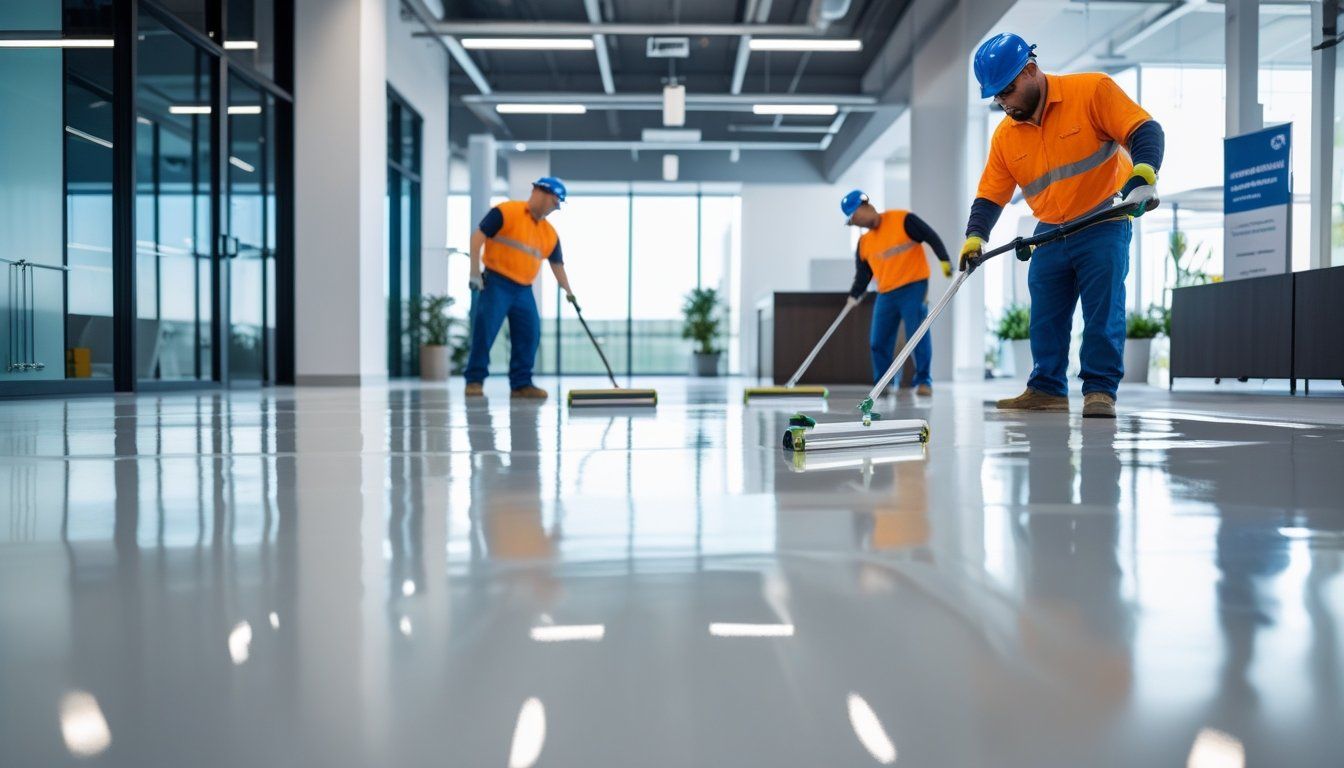
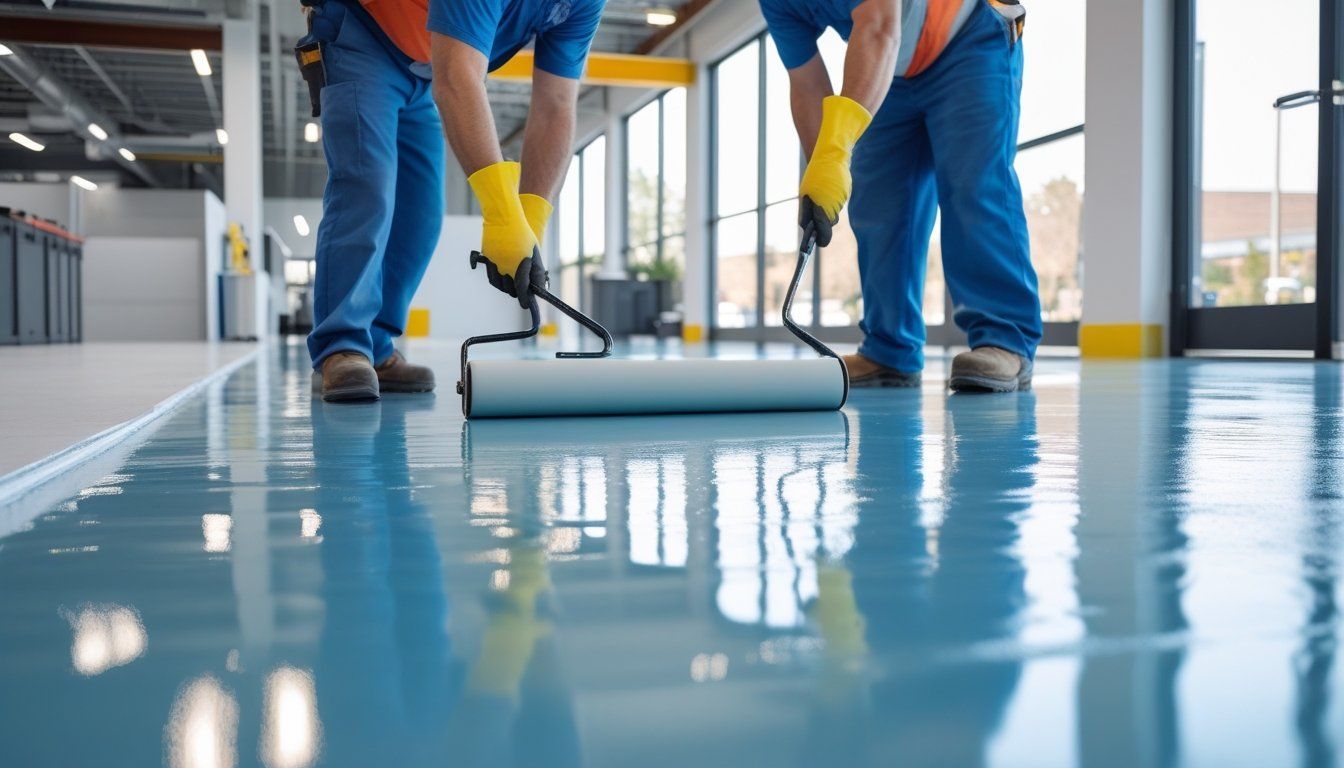
Applying epoxy requires mixing two parts, resin and hardener, in precise amounts. The mixture must be used within a short time before it hardens. You’ll spread the epoxy evenly with a roller or squeegee. Some floors get multiple coats depending on your workspace needs.
Adding decorative flakes or anti-slip textures is common in industrial spaces to boost safety and appearance. Work in small sections and ensure good airflow. This avoids air bubbles and achieves a smooth, even finish.
Curing and Drying Times
After application, the epoxy needs time to cure. This means the resin hardens fully to become tough and durable.
Curing typically takes
24 to 72 hours, but the exact time depends on temperature and humidity. Walking on the floor is usually allowed after about 24 hours, but heavy equipment should wait longer. Proper curing ensures the floor resists stains, chemicals, and impact.
Design and Customization Options
Epoxy flooring can be tailored to fit your space perfectly. From colors and textures to safety features, you have many ways to make your floor both functional and attractive. These options help you create a floor that matches your style while meeting your specific needs.
Color Choices and Finishes
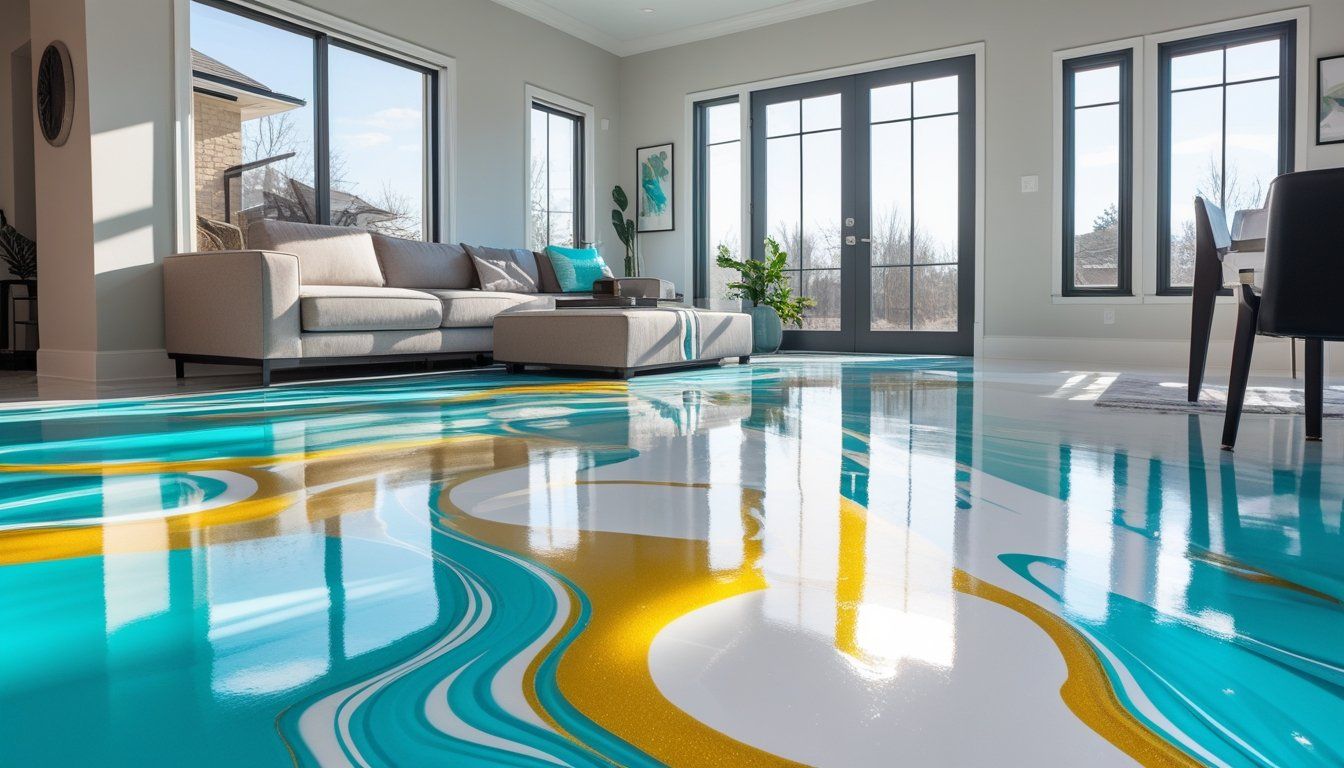
You can pick from a wide range of colors for your epoxy floor. Solid colors create a clean, simple look, while metallic or flake finishes add depth and sparkle. These finishes make your floor stand out and hide dirt or minor imperfections. Different finishes also affect the floor’s shine.
You might prefer a glossy finish to brighten your space, or a matte one to reduce glare. Some providers offer color samples and custom mixes to help you find the exact shade and finish that fits your style and business needs.
Non-Slip Textures
Safety is key, especially in industrial and commercial spaces. You can add non-slip textures to your epoxy flooring to prevent slips and falls. These textures are made by mixing small grit or sand into the epoxy before it cures. This feature is important if your floors get wet or oily often.
Non-slip epoxy keeps your workplace safer without sacrificing the floor’s smooth appearance. You can work with local experts to choose the right level of texture for your specific environment.
Line Markings and Safety Features
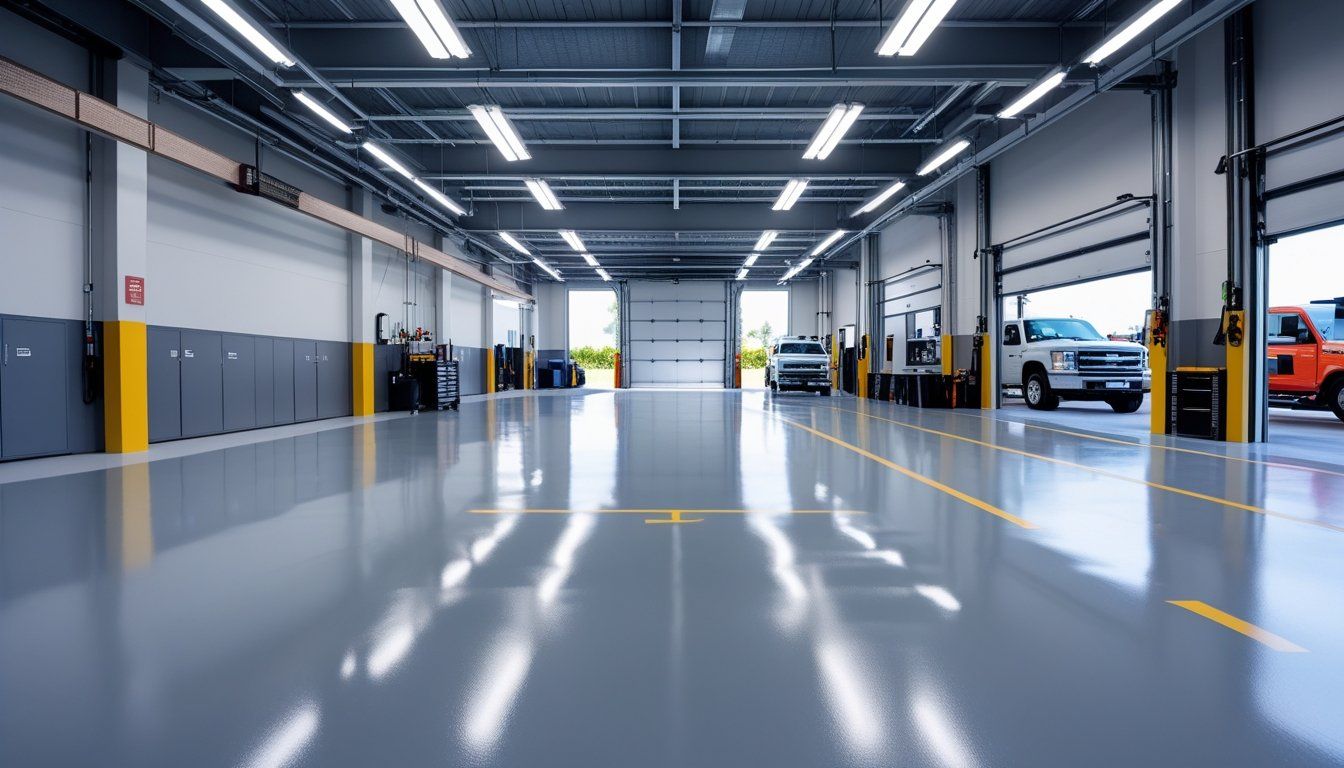
For industrial floors, clear line markings help organize spaces and improve safety. You can have painted lines, symbols, or color-coded zones added directly to your epoxy floor.
These markings guide workers and vehicles, helping prevent accidents. Other safety features include brightly colored borders or hazard warnings. These options not only keep your team safe but also make your facility look professional and well-maintained.
Comparing Epoxy Flooring to Other Industrial Flooring Solutions
When choosing flooring for your industrial space, you want something that lasts, handles heavy use, and keeps maintenance simple. Epoxy flooring stands out in several ways when compared to common alternatives like plain concrete or polyurethane coatings.
Epoxy vs. Concrete
Concrete is strong and affordable, but it can crack and stain easily over time, especially in busy industrial settings. It’s also porous, so spills can soak in and cause damage or odors.
Epoxy flooring bonds tightly to concrete, sealing it and making the surface resistant to stains, chemicals, and moisture. It also adds extra durability to protect against heavy machinery and foot traffic.
With epoxy, cleaning is easier, and the floor stays looking sharper longer. In Cambridge and Greater Boston, many industrial floors start as concrete, but applying an epoxy coating creates a surface that stands up better to daily wear in warehouses and factories.
Epoxy vs. Polyurethane
Polyurethane floors are flexible and resist abrasion well. They are often softer than epoxy and better at handling impacts without cracking. This makes polyurethane good for areas with some movement or slight floor shifting.
However, epoxy provides a harder, more chemical-resistant surface than polyurethane. It holds up better to heavy loads and spills like oils or acids common in industrial sites. Epoxy also offers more options in color and texture, letting you customize your floors for safety or style.
Common Issues and Maintenance Tips
Your industrial epoxy floor can stay strong and looking good when you watch for common problems and follow simple care routines. Protecting the surface and keeping it clean will help avoid damage and extend its life.
Preventing Surface Damage
Epoxy floors can get scratched or worn by heavy machinery, dropped tools, or abrasive materials. Protect your floor by using rubber mats in areas with frequent foot traffic or machine movement.
Avoid dragging sharp or heavy objects directly on the floor. Small scratches can let dirt in and lead to bigger damage over time. UV light may cause fading or yellowing if the floor is exposed to sunlight. Use UV-resistant coatings if sunlight is a concern.
Also, moisture under the epoxy can cause bubbles or peeling. Make sure your concrete is dry before installation. We recommend scheduling regular inspections to catch any surface problems early and applying touch-up coatings to keep your floor sealed and protected.
Routine Cleaning Practices
Keeping your epoxy floor clean helps maintain its shine and prevents buildup that can cause wear. Use a soft broom or dust mop daily to remove dirt and dust.
For deeper cleaning, mop with warm water mixed with a mild detergent. Avoid harsh chemicals, acidic cleaners, or abrasive scrubbers—they can dull the finish or damage the coating.
If spills occur, clean them up quickly to prevent stains or slippery surfaces. For oily or greasy spots, a degreaser made for epoxy floors works best. Regular care combined with expert installation ensures your floor stays durable, safe, and attractive for years.
Regulatory Standards and Compliance
When choosing epoxy flooring for your industrial space, it’s important to understand how it meets strict regulations. These rules help keep your worksite safe and protect the environment. Knowing what to expect makes it easier to pick the right flooring system.
Health and Safety Requirements
Your industrial floors need to follow safety rules set by OSHA and other agencies. Epoxy flooring helps reduce slips and falls because of its durable, anti-slip surface.
It also meets hygiene standards required by the USDA and FDA, especially in food or drug manufacturing areas. Smooth, easy-to-clean epoxy floors prevent bacteria, mold, and other contaminants.
This is key if your facility handles sensitive materials or requires sterile conditions. Choosing epoxy that complies with these rules protects your workers and keeps your site up to code.
Environmental Considerations
Industrial epoxy flooring also needs to be environmentally responsible. Many epoxy coatings are low in harmful chemicals and reduce waste by lasting longer than traditional flooring. Durable floors mean fewer replacements and less landfill waste.
Some epoxy options are designed to meet specific environmental guidelines. These include reducing airborne particles during installation and using safe, recyclable materials when possible. Choosing the right flooring helps your business lower its environmental impact.
Eco-Friendly Coating Options for Industrial Facilities
Modern industrial epoxy flooring can align with your company’s sustainability goals. The Environmental Protection Agency
highlights that low-VOC epoxy coatings
help improve indoor air quality and reduce harmful emissions during installation. Some systems even use bio-based resins and recycled materials for a greener footprint.
These innovations make it easier for businesses to meet environmental standards while maintaining strength and performance. Choosing low-VOC or recycled-content epoxy not only supports EPA guidelines but also enhances the health and comfort of your workspace.
Choosing the Right Epoxy Flooring Contractor
When selecting an epoxy flooring contractor for your industrial space, look for experience with heavy-duty environments like warehouses or factories. You want a team that understands how to handle tough traffic, chemical exposure, and heavy machinery.
Check that your contractor is fully licensed and insured. This protects you and your property during the project. A local company knows the specific needs of Greater Boston industrial facilities and offers reliable support. Ask about the types of epoxy finishes they provide.
A good contractor will offer options like anti-slip textures and chemical-resistant coatings to keep your floors safe and long-lasting. They should also be able to customize colors and finishes to fit your facility’s style.
Clear communication is key. Your contractor should give you a straightforward, written estimate with no hidden fees. They should also explain the installation process and maintenance requirements in simple terms you can trust.
Strength and Safety Built Into Every Industrial Floor
Industrial epoxy flooring delivers the perfect balance of toughness, safety, and low maintenance. It protects your concrete, withstands heavy traffic, and resists chemicals while keeping your facility bright and professional.
Cambridge MA Epoxy Flooring provides expert service for factories, warehouses, and workshops across Greater Boston.
Their durable epoxy systems enhance safety and performance, helping your business operate efficiently without flooring worries.
Ready to reinforce your industrial floors with long-lasting protection?
Reach out to schedule
your free consultation and discover how epoxy flooring can strengthen your workspace.
Frequently Asked Questions
Understanding the key details about cost, durability, and maintenance can help you make the right choice for your industrial space. You’ll also find answers about finding contractors, product differences, and eco-friendly options.
What Are the Cost Factors for Installing Industrial Epoxy Flooring?
Costs depend on the size of your area, floor condition, and type of epoxy used. Additional features like anti-slip textures or custom colors can raise the price. Labor costs vary by your location and the complexity of the job. Preparing cracked or damaged concrete may require extra work, which adds to the total cost.
How Do I Find Reliable Industrial Epoxy Flooring Contractors in My Area?
Look for local installers with experience in industrial projects. Check reviews and ask for references. A good contractor like Cambridge MA Epoxy Flooring offers transparent quotes and clear timelines, helping you avoid surprises.
What Are the Differences Between Standard and Industrial-Grade Epoxy Flooring?
Standard epoxy floors are thinner and designed for light foot traffic. Industrial-grade epoxy is thicker and tougher, made to handle heavy machinery, chemical spills, and constant wear. Industrial options often include extra features like increased chemical resistance and anti-slip finishes.
How Long Does Industrial Epoxy Flooring Typically Last?
With proper installation and care, industrial epoxy flooring lasts 10 to 20 years or more. Heavy use and chemicals can shorten its lifespan if not maintained correctly.
What Maintenance Is Required for Industrial Epoxy Floors?
Regular cleaning with mild detergents keeps floors looking good and prevents damage. Avoid harsh chemicals that can wear down the finish. Periodic inspections and touch-ups help fix scratches or chips before they worsen.
Are There Eco-Friendly Options Available for Industrial Epoxy Flooring?
Yes, some epoxy products are low in volatile organic compounds (VOCs) and safer for the environment. These options reduce harmful fumes during installation. Ask your installer about eco-friendly materials that meet your performance needs without harming air quality.
Learn how commercial epoxy flooring installation upgrades business spaces in Cambridge, MA. Explore safety, cost, maintenance, and installation insights.
Explore durable residential epoxy flooring services in Cambridge, MA. Learn benefits, finishes, installation steps, and maintenance tips for your home.
Explore durable residential epoxy flooring services in Cambridge, MA. Learn benefits, finishes, installation steps, and maintenance tips for your home.
Learn the pros and cons of residential epoxy flooring in Cambridge, MA. Explore durability, safety, costs, installation steps, and maintenance tips.
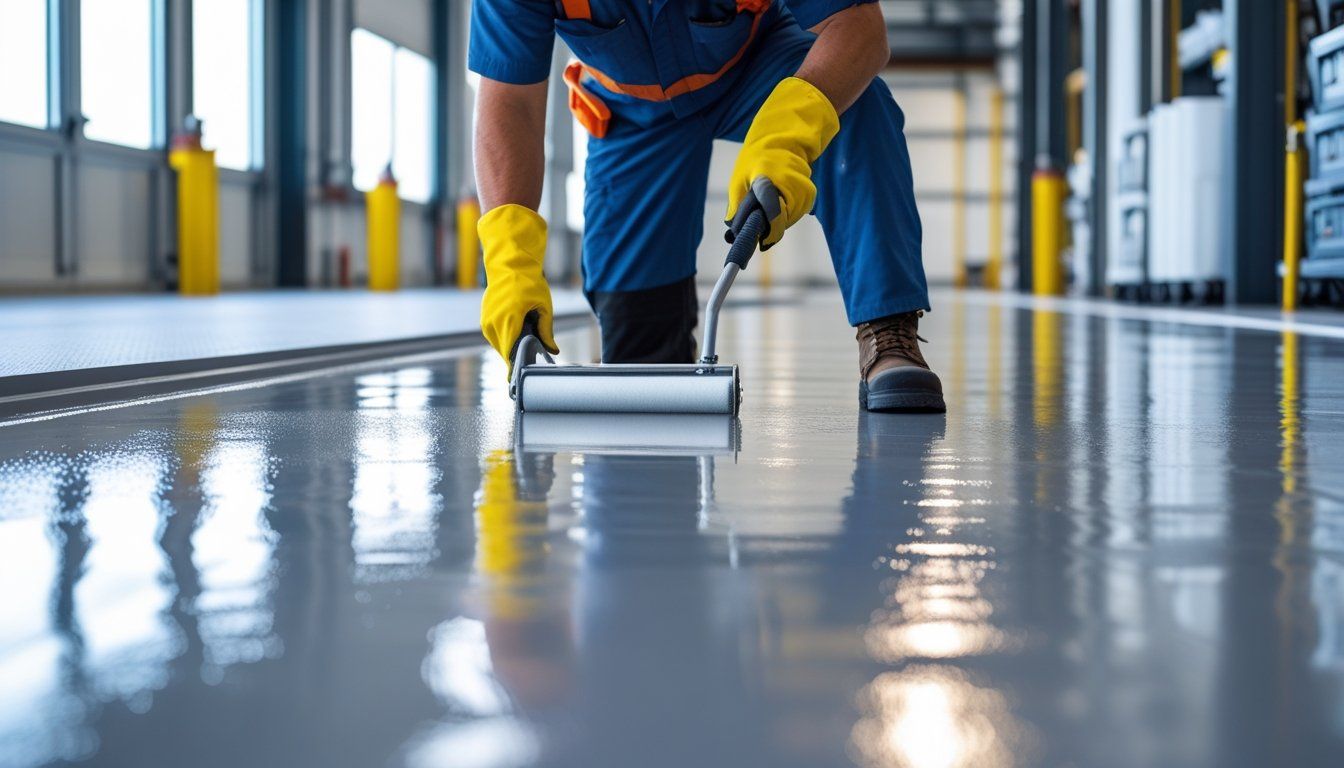
Explore industrial epoxy flooring service in Cambridge, MA. Learn benefits, types, installation steps, safety factors, and maintenance tips for busy facilities.
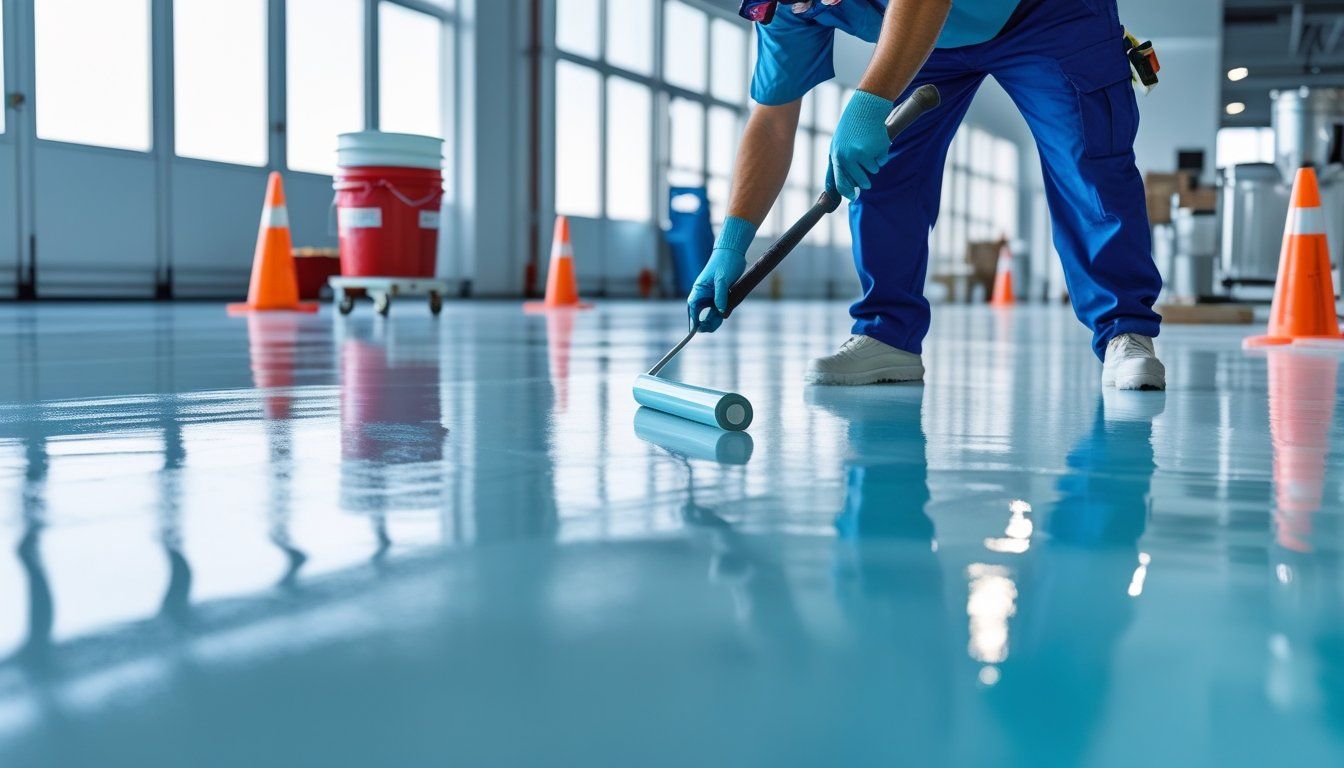
Explore epoxy flooring services in Cambridge, MA. Learn systems, benefits, installation steps, and options for durable residential and commercial spaces.
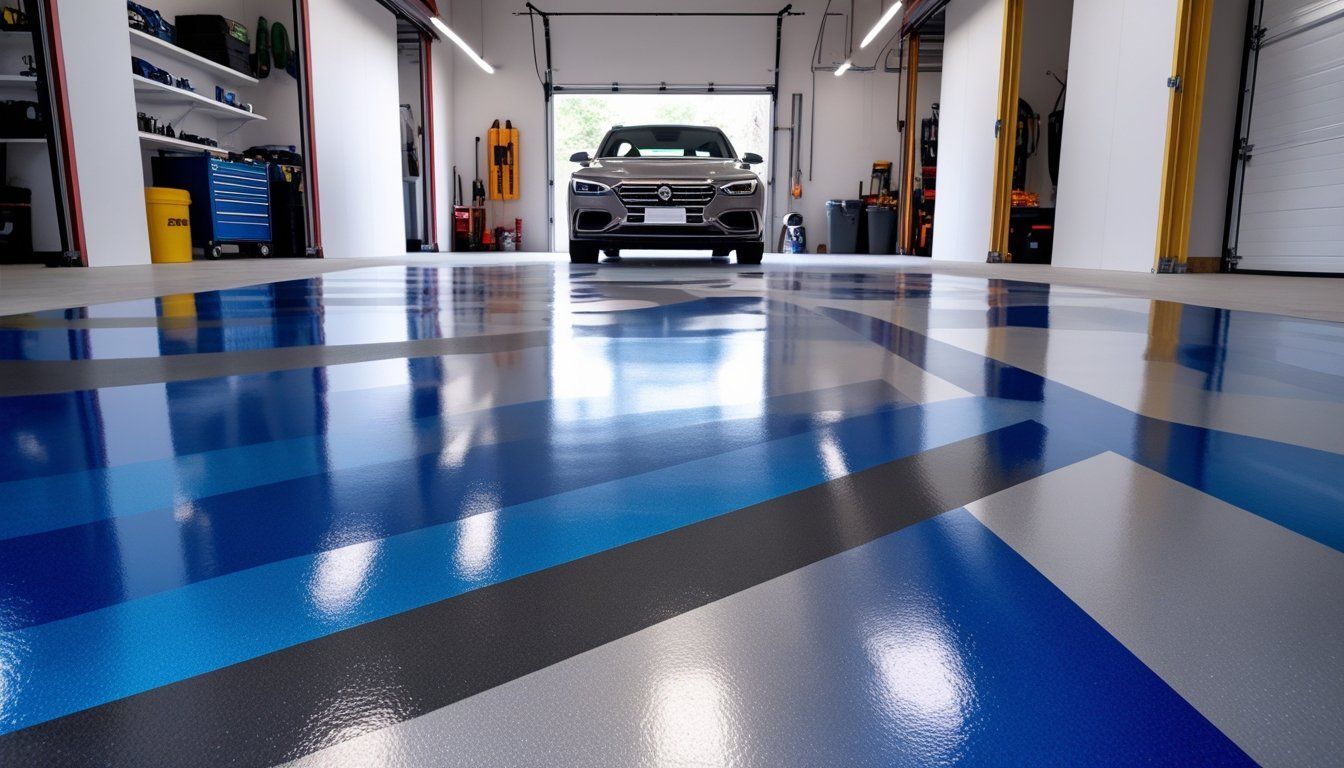
Explore garage epoxy floor colors in Cambridge, MA. Discover design ideas, color trends, finishes, and how lighting and texture impact your choice.
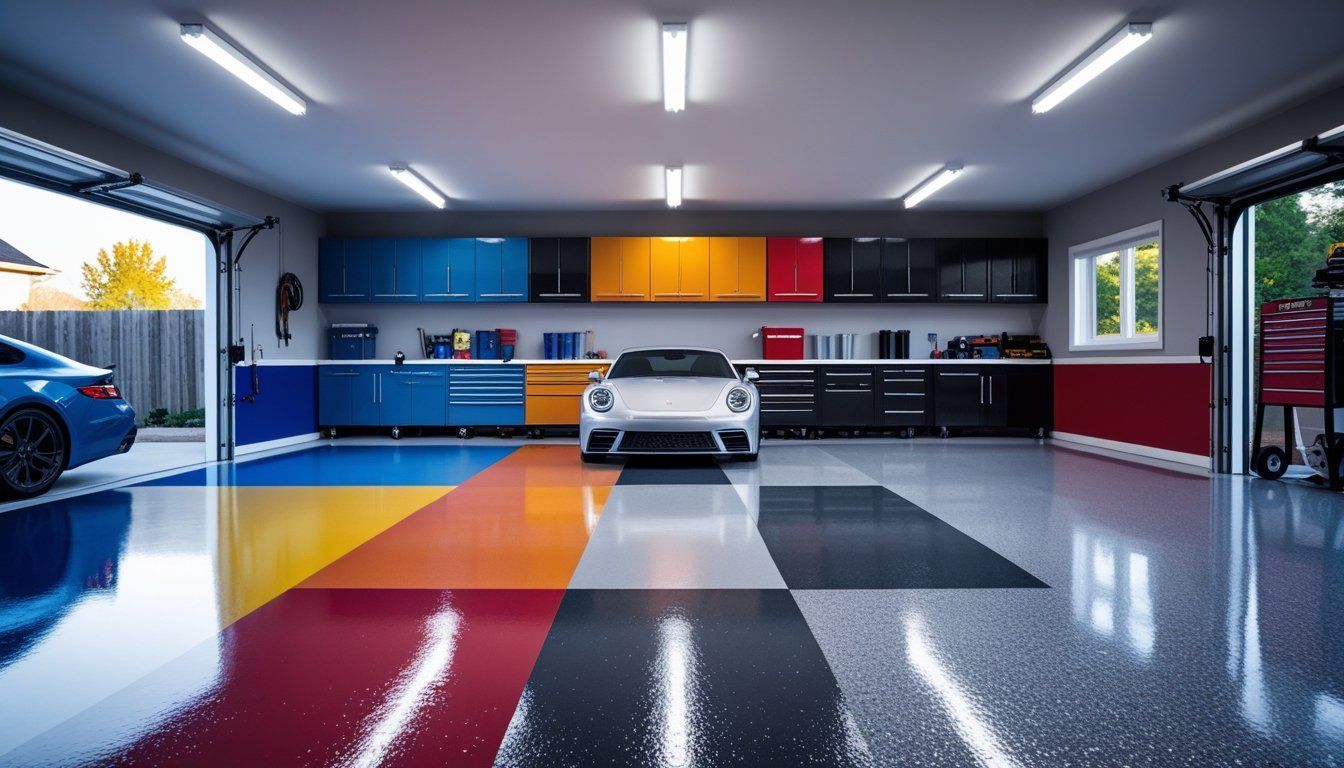
Explore garage floor epoxy colors, finishes, and safety benefits for Cambridge homes. Learn how to choose shades that brighten, protect, and perform.
Discover commercial epoxy flooring services that enhance durability, safety, and style for businesses in Cambridge and Greater Boston.
Learn how commercial epoxy garage flooring improves durability, safety, and appearance for businesses across Cambridge and Greater Boston.